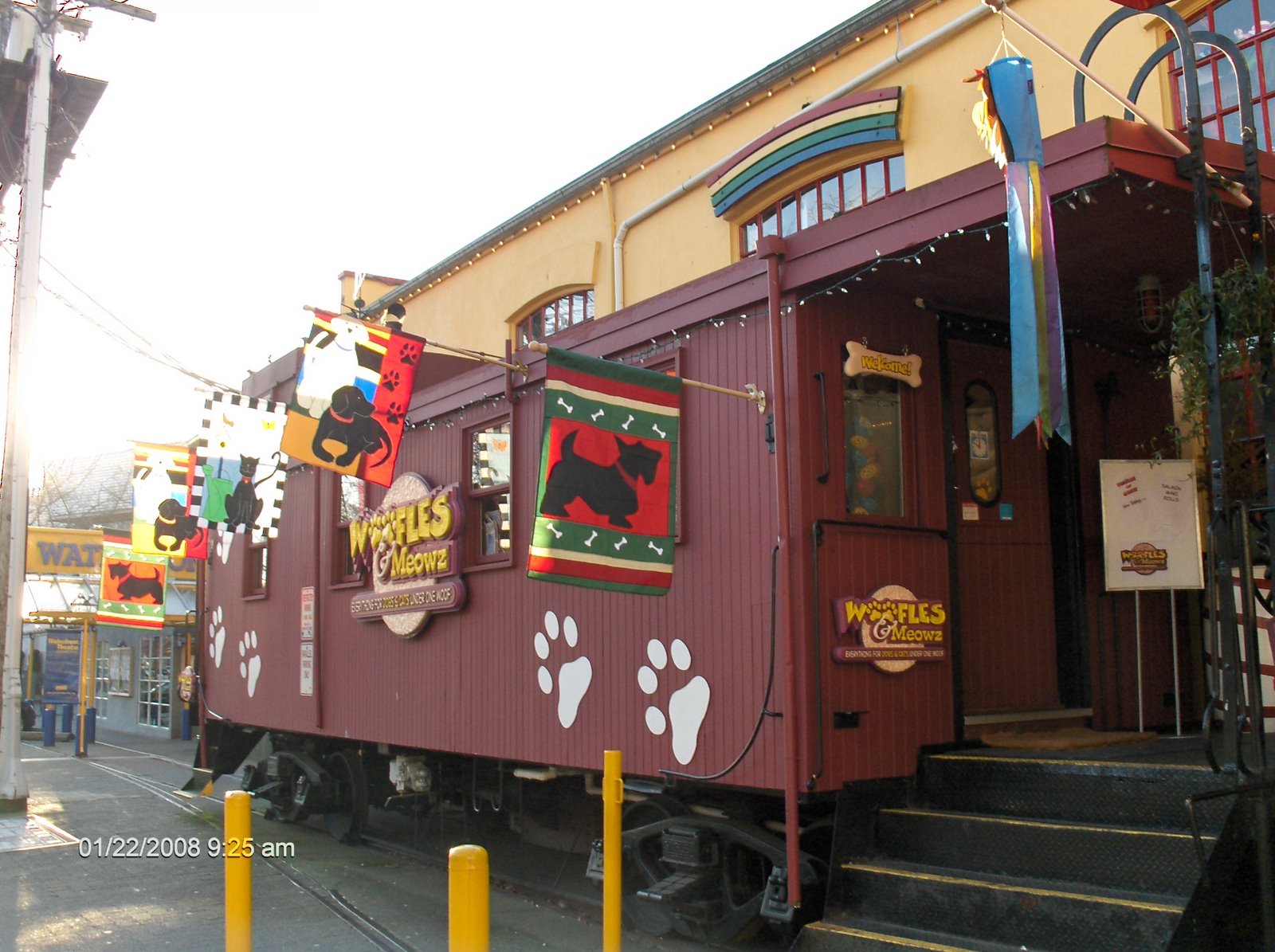
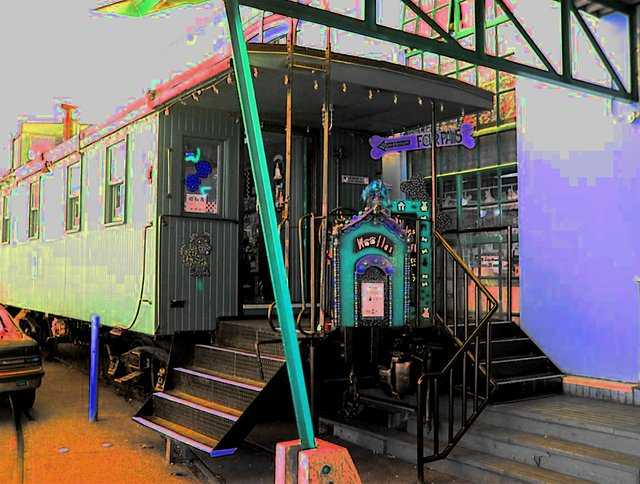
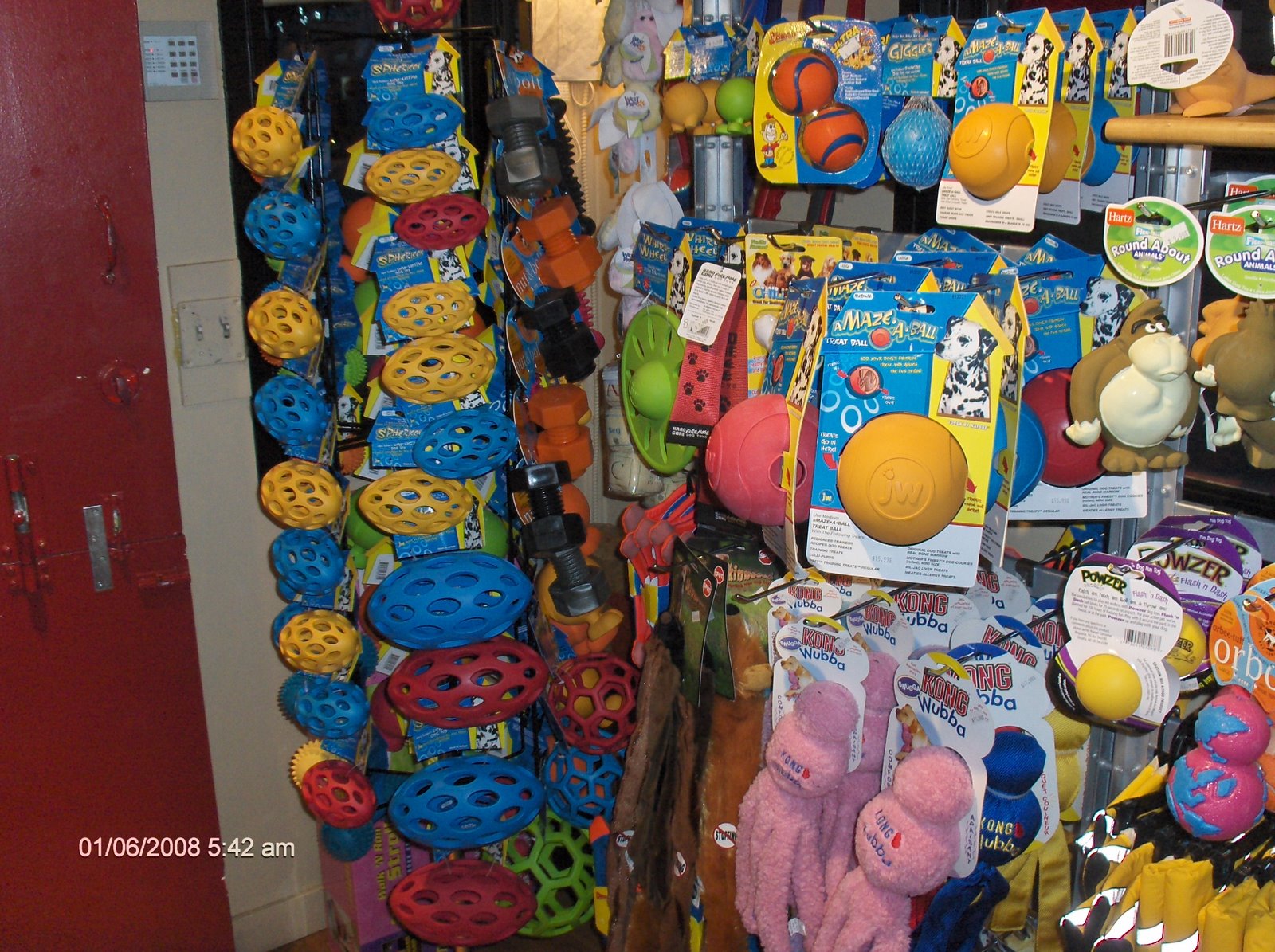
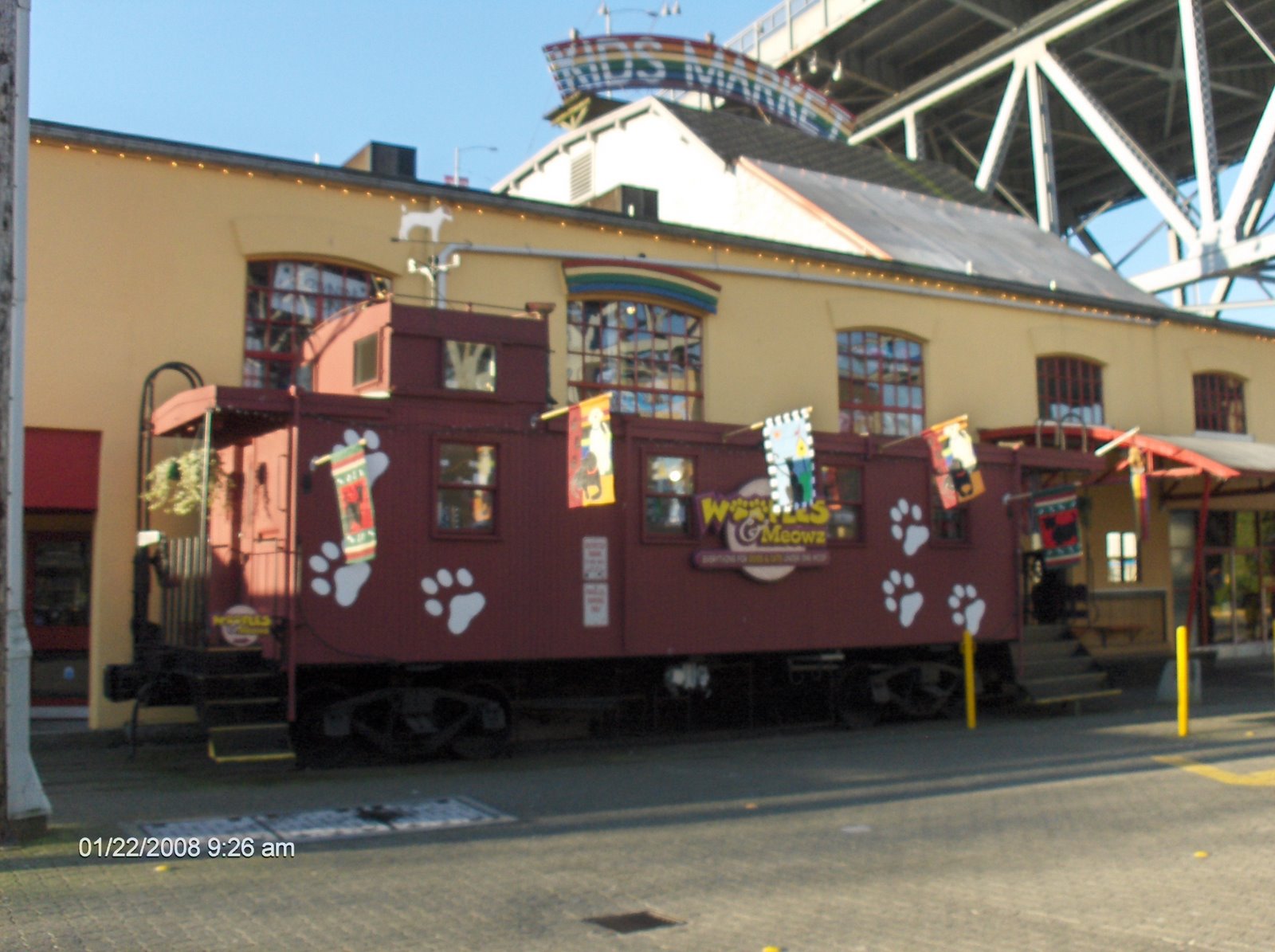
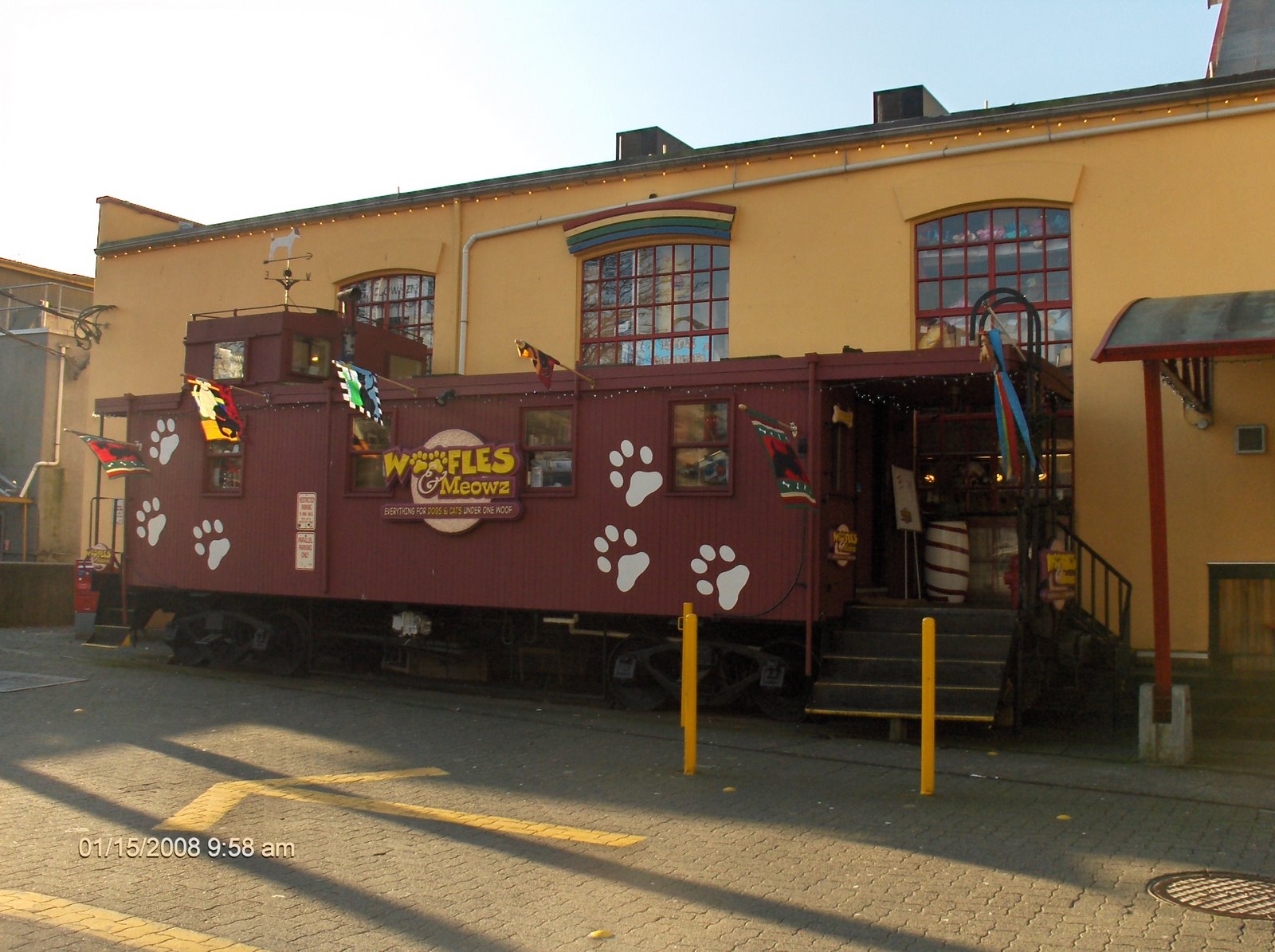
Every once in a while I get someone in the store who is gonna take their cat for a walk on a lead and the cat is gonna like it, darn it!
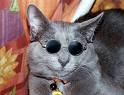
I do sell harnesses for cats for those who are in the need of taking their cat out but there is a very distinct difference in who is walking whom when dealing with a cat.
A cat will only want to go as fast as they deem fitting...not you
Unlike dogs who are constantly in need of excercise and a place to piddle and poop, cats will never do so on command and rarely when you want them to so that option is out.
Puting a harness on the cat to tether them outside for fear of them running away is a good option as long as there is nothing to catch them up.
Most collars whether they are breakaway ones or not should be fitted properly so that will still allow the cat to slip out of them in the case of getting hung up..........a rare and often urban myth. I say often because I have only heard of it once. With a harness there is no possibility of slippage which is why one would want one I suppose.
We sell alot of the "breakaway" collars because someone, somewhere said "oh the cat will get hung up while climbing a tree"..........yeah cats are smarter than that.
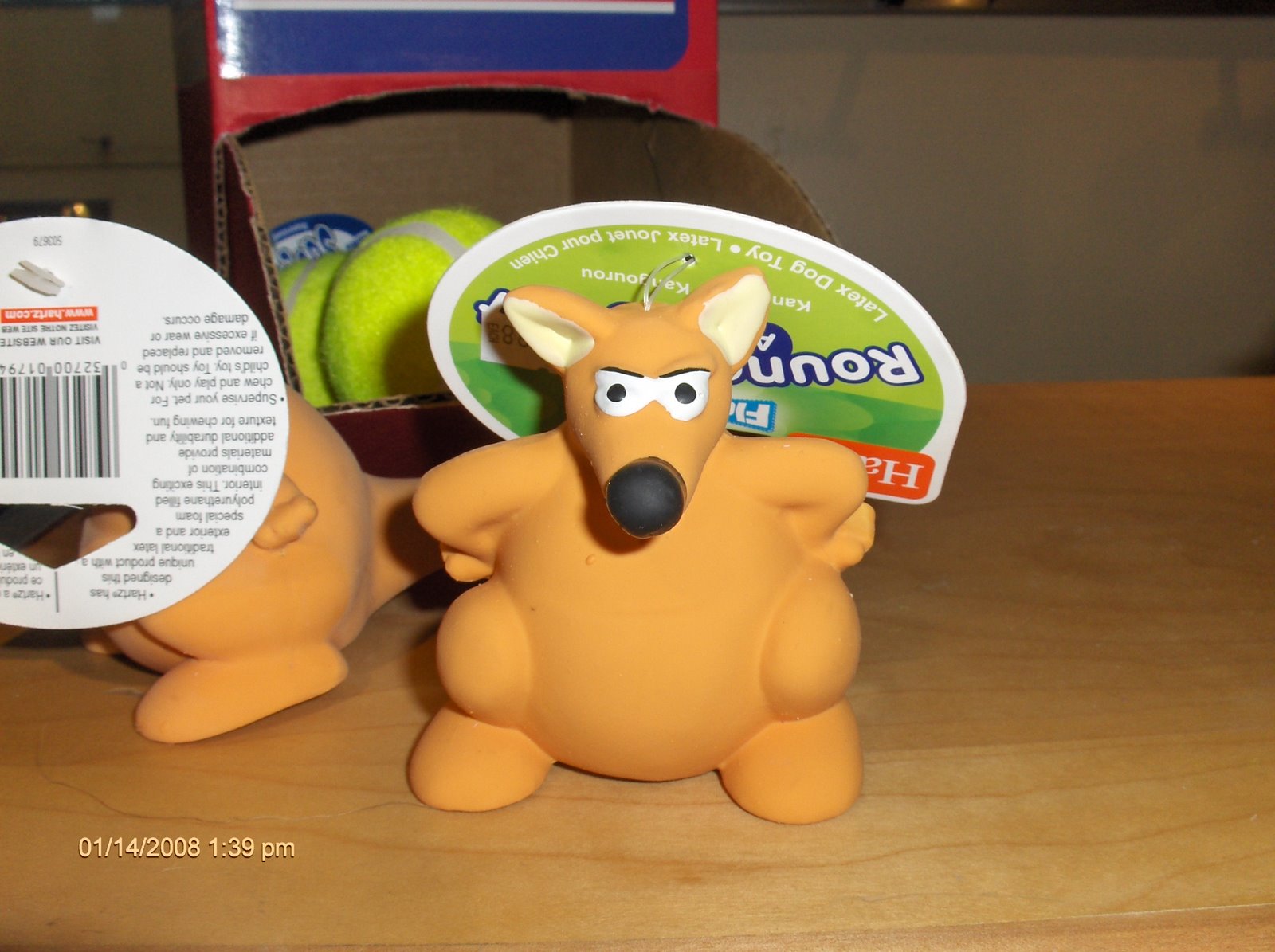
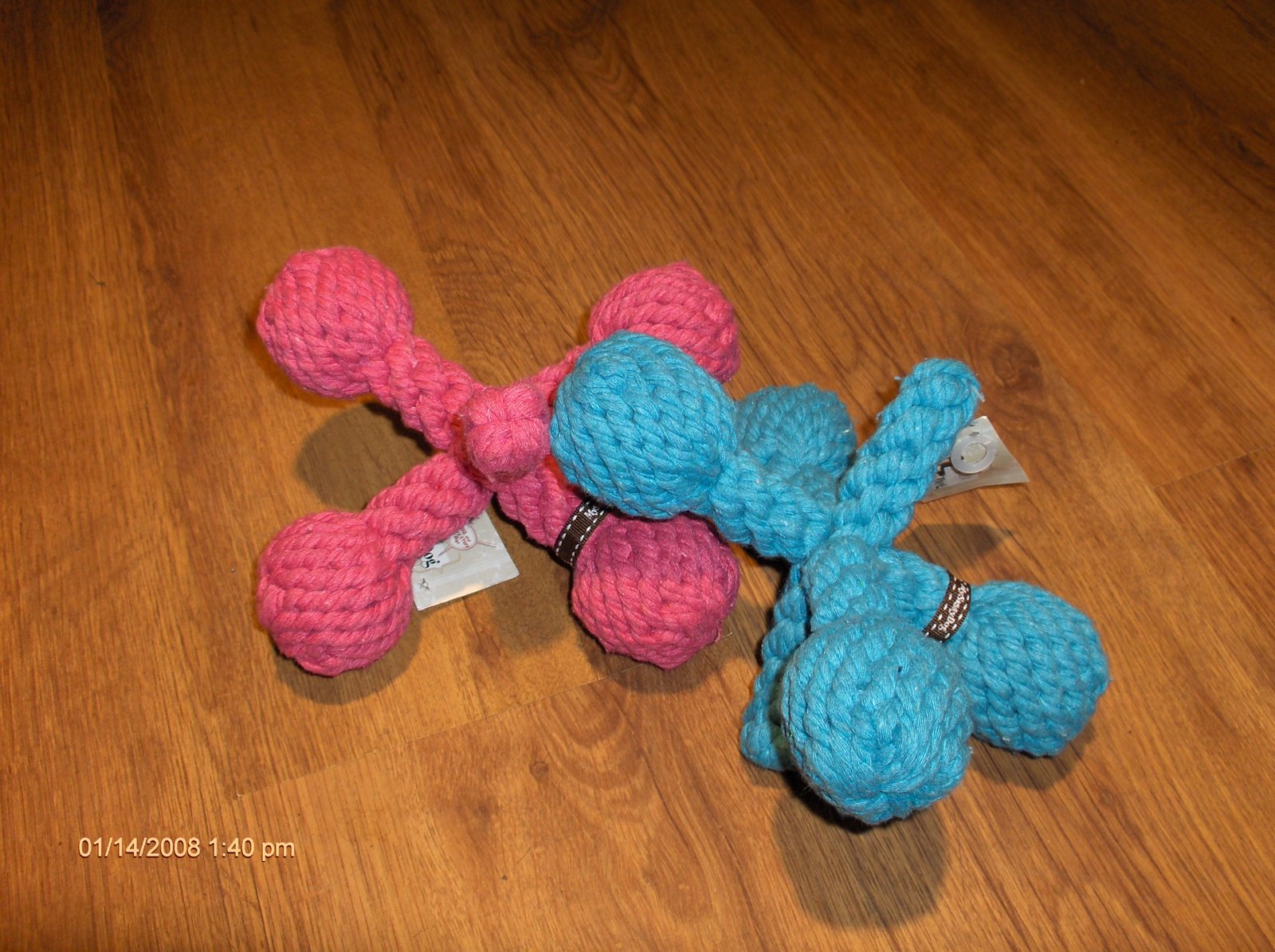
As for toys the rule of thumb for our store is that a toy that your cat will play with is the right one for you.
Sometimes it is as simple as a rolled tinfoil ball that has some turkey fat that was originally on the thanksgiving bird, that will be Fluffy's favourite or some extravagant catnip laced, hand sewn pillow...you will never know!
As for treats......there is no such thing as a picky dog rather one who KNOWS that if he won't eat the hamburger you will give him filet Mignon...so more of an opportunist.
Multiply that attitude by 10 and thats a cat.
Trust me when I say....wait a good while when a cat will not eat a particular treat. Give it a few days. If then the treat is not eaten then they do not like it. Having said that I have to remind myself that cats I have had sometimes change their tastes as they grow.
So! the whole point to this blog???
Cats are VERY different, wonderful,loving, sometimes frustrating animals that are NOT dogs so ask yourself..."do I want a Cat or a Dog.............or maybe just a plant?
But I digress.
Saturday, January 24, 2009


Wednesday, December 31, 2008
Globe and Mail top 10 pet stories
10 TALES FROM THE WILD SIDE (AND ONE FROM THE FUTURE)
The humble beagle won big, human weirdness trumped veterinary advances and cuteness reigned supreme in 2008. Pets deserve year-end lists just like everyone else, so here are the topten animal stories of the year, followed by a not-so-psychic prediction for the biggest pet story of 2009. Rebecca Dube reports
REBECCA DUBE
December 30, 2008
ECONOMY GOES TO THE DOGS, DOGS ... GO SHOPPING?
What happened The economy tanked.
What it means For pets, not much - at first. The pet supply industry proved surprisingly resilient in a weak economy. Who would have thought that gourmet dog biscuits and rhinestone kitty collars were recession-proof? Unfortunately, when things go from bad to worse, pets do suffer. In U.S. counties that have been hard hit by home foreclosures, animal shelters are being overwhelmed with abandoned pets.
HAVE NO FEAR, UNDERDOG IS HERE
What happened A lively 38-centimetre beagle named Uno bayed his way into the hearts of millions when he became the first beagle to win the prestigious Westminster Kennel Club Dog Show.
What it means Score one for Snoopy! Uno's victory over more rarefied breeds sparked unprecedented interest in the Westminster show as the general public cheered to see a "real dog" chosen as champion. Who will the Westminster judges pick to follow this act in February, when they choose a new best in show? A Labrador retriever would be a great people's choice, but no doubt poodles are out for
revenge.
THE CURIOUS CASE OF THE CLONES AND THE KIDNAPPER
What happened South Korean scientists successfully complete the first commercial cloning of a dog, a dead pit bull named Booger.
What it means Truth is definitely stranger than fiction. After photos of Booger's clones' proud owner, Joyce Bernann McKinney, circulated worldwide, she was quickly outed as the same woman who, 31 years earlier, was accused of kidnapping a Mormon missionary in England, handcuffing him to a bed in a Devon cottage and forcing him to have sex with her.
She skipped bail back then and fled from justice, only to resurface for the love of Booger.
OH, THE HUMANITY ... OF DOGS
What happened Scientists demonstrate that dogs feel empathy (through contagious yawns) and envy (they get sulky when other dogs are rewarded for tricks and they are not).
What it means Not much to dog owners, who don't need much persuading that dogs feel and express a full range of complex emotions. The research is pretty interesting, though, in context of the rapidly diminishing list of traits that were previously believed to exist only in primates (tool making, language etc.). We're just not as special as we like to think. Research on animal emotions may also lead to breakthroughs in our understanding of human emotions and conditions such as autism.
DROP THE LEASH, ROMEO
What happened The Saudi Arabian capital of Riyadh banned the selling of dogs and cats, as well as walking them in public.
What it means The Saudi religious police finally cottoned on to what single people have known for years - puppy equals babe magnet. In the interest of preserving separation between the sexes, they instituted the ban, which is enforced by agents of the Committee for the Promotion of Virtue and the Prevention of Vice. Similar bans in the cities of Mecca and Jiddah have failed to curb pet buying and walking (and presumably the associated "ooh, what a cute puppy!" flirting).
My babies may look funny, but I love 'em
What happened Interspecies mothering was all the rage this year, with a golden retriever nursing white tiger cubs, a tabby cat nursing baby red pandas, and a pig nursing tigers.
What it means Lots of photos of cute interspecies snorgling, and proof that maternal instincts can trump biological ties (and perhaps common sense - my, what big teeth your babies have). And apparently tigers are the deadbeat mothers of the animal kingdom.
WE'RE NOT HAPPY UNTIL YOUR DOG'S NOT HAPPY
What happened A federal agency overturned Air Canada's ban on pets as checked baggage.
What it means In 2007, Air Canada banned pets as checked baggage, forcing customers travelling with pets to ship them as cargo. Then this spring, the Canadian Transportation Agency overturned the ban, saying the rule was "giving advantages to the carrier while exposing pet owners to many significant disadvantages." Air Canada is appealing that ruling in federal court, and expects a court date in the new year. In the meantime, pets can still travel in the luggage compartment except during certain summer and holiday blackout dates.
FACING THE FUTURE
What happened A veterinarian in Boston reattaches a cat's face after it cuddled up to a car's fan belt.
What it means Only eight more lives to go for Edgar, the four-year-old female cat, who is recovering quite well from her face-reattachment surgery. And her owners may want to look into pet insurance.
KILLER KIBBLES
What happened A U.S. judge approved a $24-million (U.S.) settlement for the Canadian and U.S. owners of cats and dogs who were sickened or died from eating pet food tainted with melamine, a chemical used to make plastics.
What it means Pet owners start scrutinizing the labels on their animals' food, and the once-oxymoronic notion of gourmet and organic pet chow moves into the mainstream. The settlement compensates owners for veterinary costs, but doesn't pay "pain and suffering" damages.
CUTE OVERLOAD
What happened Lots of cute stuff. A pig who refused to walk in the mud without boots made headlines, the Shiba Inu puppy cam racked up 13 million views, and the CuteOverload.com calendar shot to the top of Amazon's bestseller list.
What it means When it comes to finding ways to waste time at work, people's love of soft, furry and cuddly things knows no bounds. Words such as "smooshable" and "prosh" enter the lexicon. Meanwhile, Playboy Enterprises Inc. is laying off staff as its stock price suffers. Forget sex: Cute sells.
And the top pet story of 2009:
BARACK OBAMA AND HIS FAMILY CHOOSE A DOG
Will it be a so-called "designer dog," such as the hypoallergenic goldendoodle (a golden retriever-poodle mix) that his allergy-prone daughter favours, or a more image-friendly mutt from the pound? At the very least, Mr. Obama should be able to avoid the missteps of his gaffe-magnet vice president-elect Joe Biden, who purchased a German shepherd puppy from a Pennsylvania dog breeder whose kennel, it turned out, had been cited for multiple violations. With animal rescue groups across the country ready to shiv each other for the chance to supply a presidential pup, my money's on the Obamas finding a goldendoodle to adopt from a pound or rescue group. Cute and ethical - isn't that the Obama way?
The humble beagle won big, human weirdness trumped veterinary advances and cuteness reigned supreme in 2008. Pets deserve year-end lists just like everyone else, so here are the topten animal stories of the year, followed by a not-so-psychic prediction for the biggest pet story of 2009. Rebecca Dube reports
REBECCA DUBE
December 30, 2008
ECONOMY GOES TO THE DOGS, DOGS ... GO SHOPPING?
What happened The economy tanked.
What it means For pets, not much - at first. The pet supply industry proved surprisingly resilient in a weak economy. Who would have thought that gourmet dog biscuits and rhinestone kitty collars were recession-proof? Unfortunately, when things go from bad to worse, pets do suffer. In U.S. counties that have been hard hit by home foreclosures, animal shelters are being overwhelmed with abandoned pets.
HAVE NO FEAR, UNDERDOG IS HERE
What happened A lively 38-centimetre beagle named Uno bayed his way into the hearts of millions when he became the first beagle to win the prestigious Westminster Kennel Club Dog Show.
What it means Score one for Snoopy! Uno's victory over more rarefied breeds sparked unprecedented interest in the Westminster show as the general public cheered to see a "real dog" chosen as champion. Who will the Westminster judges pick to follow this act in February, when they choose a new best in show? A Labrador retriever would be a great people's choice, but no doubt poodles are out for
revenge.
THE CURIOUS CASE OF THE CLONES AND THE KIDNAPPER
What happened South Korean scientists successfully complete the first commercial cloning of a dog, a dead pit bull named Booger.
What it means Truth is definitely stranger than fiction. After photos of Booger's clones' proud owner, Joyce Bernann McKinney, circulated worldwide, she was quickly outed as the same woman who, 31 years earlier, was accused of kidnapping a Mormon missionary in England, handcuffing him to a bed in a Devon cottage and forcing him to have sex with her.
She skipped bail back then and fled from justice, only to resurface for the love of Booger.
OH, THE HUMANITY ... OF DOGS
What happened Scientists demonstrate that dogs feel empathy (through contagious yawns) and envy (they get sulky when other dogs are rewarded for tricks and they are not).
What it means Not much to dog owners, who don't need much persuading that dogs feel and express a full range of complex emotions. The research is pretty interesting, though, in context of the rapidly diminishing list of traits that were previously believed to exist only in primates (tool making, language etc.). We're just not as special as we like to think. Research on animal emotions may also lead to breakthroughs in our understanding of human emotions and conditions such as autism.
DROP THE LEASH, ROMEO
What happened The Saudi Arabian capital of Riyadh banned the selling of dogs and cats, as well as walking them in public.
What it means The Saudi religious police finally cottoned on to what single people have known for years - puppy equals babe magnet. In the interest of preserving separation between the sexes, they instituted the ban, which is enforced by agents of the Committee for the Promotion of Virtue and the Prevention of Vice. Similar bans in the cities of Mecca and Jiddah have failed to curb pet buying and walking (and presumably the associated "ooh, what a cute puppy!" flirting).
My babies may look funny, but I love 'em
What happened Interspecies mothering was all the rage this year, with a golden retriever nursing white tiger cubs, a tabby cat nursing baby red pandas, and a pig nursing tigers.
What it means Lots of photos of cute interspecies snorgling, and proof that maternal instincts can trump biological ties (and perhaps common sense - my, what big teeth your babies have). And apparently tigers are the deadbeat mothers of the animal kingdom.
WE'RE NOT HAPPY UNTIL YOUR DOG'S NOT HAPPY
What happened A federal agency overturned Air Canada's ban on pets as checked baggage.
What it means In 2007, Air Canada banned pets as checked baggage, forcing customers travelling with pets to ship them as cargo. Then this spring, the Canadian Transportation Agency overturned the ban, saying the rule was "giving advantages to the carrier while exposing pet owners to many significant disadvantages." Air Canada is appealing that ruling in federal court, and expects a court date in the new year. In the meantime, pets can still travel in the luggage compartment except during certain summer and holiday blackout dates.
FACING THE FUTURE
What happened A veterinarian in Boston reattaches a cat's face after it cuddled up to a car's fan belt.
What it means Only eight more lives to go for Edgar, the four-year-old female cat, who is recovering quite well from her face-reattachment surgery. And her owners may want to look into pet insurance.
KILLER KIBBLES
What happened A U.S. judge approved a $24-million (U.S.) settlement for the Canadian and U.S. owners of cats and dogs who were sickened or died from eating pet food tainted with melamine, a chemical used to make plastics.
What it means Pet owners start scrutinizing the labels on their animals' food, and the once-oxymoronic notion of gourmet and organic pet chow moves into the mainstream. The settlement compensates owners for veterinary costs, but doesn't pay "pain and suffering" damages.
CUTE OVERLOAD
What happened Lots of cute stuff. A pig who refused to walk in the mud without boots made headlines, the Shiba Inu puppy cam racked up 13 million views, and the CuteOverload.com calendar shot to the top of Amazon's bestseller list.
What it means When it comes to finding ways to waste time at work, people's love of soft, furry and cuddly things knows no bounds. Words such as "smooshable" and "prosh" enter the lexicon. Meanwhile, Playboy Enterprises Inc. is laying off staff as its stock price suffers. Forget sex: Cute sells.
And the top pet story of 2009:
BARACK OBAMA AND HIS FAMILY CHOOSE A DOG
Will it be a so-called "designer dog," such as the hypoallergenic goldendoodle (a golden retriever-poodle mix) that his allergy-prone daughter favours, or a more image-friendly mutt from the pound? At the very least, Mr. Obama should be able to avoid the missteps of his gaffe-magnet vice president-elect Joe Biden, who purchased a German shepherd puppy from a Pennsylvania dog breeder whose kennel, it turned out, had been cited for multiple violations. With animal rescue groups across the country ready to shiv each other for the chance to supply a presidential pup, my money's on the Obamas finding a goldendoodle to adopt from a pound or rescue group. Cute and ethical - isn't that the Obama way?
Friday, December 5, 2008
Dog treats, cat treats...... what is best?
So I was chatting with a woman in the store today who was wanting a "chew toy" for her Portugese water dog. I suggested, as I usually do, that while there is no such thing as a "chew toy" but rather toys that can be chewed on and then removed if they are being destroyed and then I went on to extole the benefits of the "bully sticks' we carry.
Now bully sticks are plain and simple a good, natural beef chew stick that will take most dogs a good long time to get through. They are tough and made to be be ingested without harm to the animal as they can only get small pieces of the bone/stick off at a time.......and the item is made of penis.
Yup....good 'ol penis, weiner, dick, all from a bull .."is this from a cow??"...."no cows don't have penises"...........I have that exchange at least three times a week.
I don't sell pigs ears or rawhide because they are usually too large and the dog can soften up a large enough piece then swallow it.....which then swells up and cannot pass. Owie!
Bully sticks don't do this for the most part. They also last for 99.999% of dogs at least a few hours.
Unfortunately....the lady who purchased the 10'' bully stick (no jokes please) for her dog was surprised that he went through it in 15 minutes and was more than happy to call me with that feedback. The feedback I Do appreciate actually because it reminds me in my shpiel of careful instruction for safety and what I believe (as a salesperson, store owner and dog trainer) to be a good product to ask "what do you think your dog will take to finish this off?"This immediately takes the onus off of me to being a psychic and knowing the traits and habits of a dog I have never seen before.
Mainly.....because HELLO!!!!...I don't know YOUR dog but I do know the many thousands of dogs that come through the store and training courses and those dogs that I have owned.
I can only give what I believe to be good advice.
I know Pitbulls that take days to finish a bully stick and a Jack Russell only a couple of hours.
15 minutes as she described is pretty darn fast and very unusual but not impossible.
The point I guess is to know your own pet and combine the advice on a product with what habits your pet has.
The final point that sticks out in my mind is that while super polite I felt she was put off that the bully stick which is NOT inexpensive at $8.98 did last 15 minutes and I dare ask what if ever in the past while she had purchased as a consumable lasted HER as long as 15 minutes. Not a 5 buck latte and muffin.....not a fast food experience.....and frankly...I bet the dog freakin enjoyed it so quit complain' girlfriend! I am super happy though to offer that same lady a great selection of our organic treats on the house free of charge. Now these we know he will scarf down but value is value and I like to give it as best as I can. With our huge clientelle we like to make sure they are taken care of as well as their pets. So c'mon by girl and have a snack for the pooch.
This also goes for any dog who comes to visit us. There is always a free treat for visiting dogs while in the store.
chomp!........WOOF!
Now bully sticks are plain and simple a good, natural beef chew stick that will take most dogs a good long time to get through. They are tough and made to be be ingested without harm to the animal as they can only get small pieces of the bone/stick off at a time.......and the item is made of penis.
Yup....good 'ol penis, weiner, dick, all from a bull .."is this from a cow??"...."no cows don't have penises"...........I have that exchange at least three times a week.
I don't sell pigs ears or rawhide because they are usually too large and the dog can soften up a large enough piece then swallow it.....which then swells up and cannot pass. Owie!
Bully sticks don't do this for the most part. They also last for 99.999% of dogs at least a few hours.
Unfortunately....the lady who purchased the 10'' bully stick (no jokes please) for her dog was surprised that he went through it in 15 minutes and was more than happy to call me with that feedback. The feedback I Do appreciate actually because it reminds me in my shpiel of careful instruction for safety and what I believe (as a salesperson, store owner and dog trainer) to be a good product to ask "what do you think your dog will take to finish this off?"This immediately takes the onus off of me to being a psychic and knowing the traits and habits of a dog I have never seen before.
Mainly.....because HELLO!!!!...I don't know YOUR dog but I do know the many thousands of dogs that come through the store and training courses and those dogs that I have owned.
I can only give what I believe to be good advice.
I know Pitbulls that take days to finish a bully stick and a Jack Russell only a couple of hours.
15 minutes as she described is pretty darn fast and very unusual but not impossible.
The point I guess is to know your own pet and combine the advice on a product with what habits your pet has.
The final point that sticks out in my mind is that while super polite I felt she was put off that the bully stick which is NOT inexpensive at $8.98 did last 15 minutes and I dare ask what if ever in the past while she had purchased as a consumable lasted HER as long as 15 minutes. Not a 5 buck latte and muffin.....not a fast food experience.....and frankly...I bet the dog freakin enjoyed it so quit complain' girlfriend! I am super happy though to offer that same lady a great selection of our organic treats on the house free of charge. Now these we know he will scarf down but value is value and I like to give it as best as I can. With our huge clientelle we like to make sure they are taken care of as well as their pets. So c'mon by girl and have a snack for the pooch.
This also goes for any dog who comes to visit us. There is always a free treat for visiting dogs while in the store.
chomp!........WOOF!
Christmas for dogs and cats.
Yay!! Its getting close to the festive season and the store here is packed...and I mean PACKED with everything that you would want to buy a dog or cat for Christmas.
I have noticed the trend in the last while to buy Christmas presents for people's pets in lieu of bringing a hostess gift or the traditional bottle of something whilst visiting.
I think for a variety of reasons this is a good thing.....well....mainly because I own a pet boutique...lets be real about that one but also because we all have so much stuff ourselves anyway.
Pets don't ask, "did you keep the receipt?"
Pets will usually like the shape, colour, or texture of most treats and toys.
People get a wee bit squishy and warm when you remember their animals.....especially if'n they did not themselves.
Pets will always remember the guy who brought over cool stuff but not expect it...unlike most kids.
Pets don't adhere to the rule that if they get something they have to give one back in what is usually an awkward exchange of phony altruism.
Most times...gifts for pets arte waaaaaaay cheaper than toys of presents for people.
ahhhhhhhhh the season it is...it just warms my heart.
.....just sayin'.......WOOF!!
I have noticed the trend in the last while to buy Christmas presents for people's pets in lieu of bringing a hostess gift or the traditional bottle of something whilst visiting.
I think for a variety of reasons this is a good thing.....well....mainly because I own a pet boutique...lets be real about that one but also because we all have so much stuff ourselves anyway.
Pets don't ask, "did you keep the receipt?"
Pets will usually like the shape, colour, or texture of most treats and toys.
People get a wee bit squishy and warm when you remember their animals.....especially if'n they did not themselves.
Pets will always remember the guy who brought over cool stuff but not expect it...unlike most kids.
Pets don't adhere to the rule that if they get something they have to give one back in what is usually an awkward exchange of phony altruism.
Most times...gifts for pets arte waaaaaaay cheaper than toys of presents for people.
ahhhhhhhhh the season it is...it just warms my heart.
.....just sayin'.......WOOF!!
Saturday, November 29, 2008
Dog treats, biscuits, cookies, it should be all good whatever you call them.
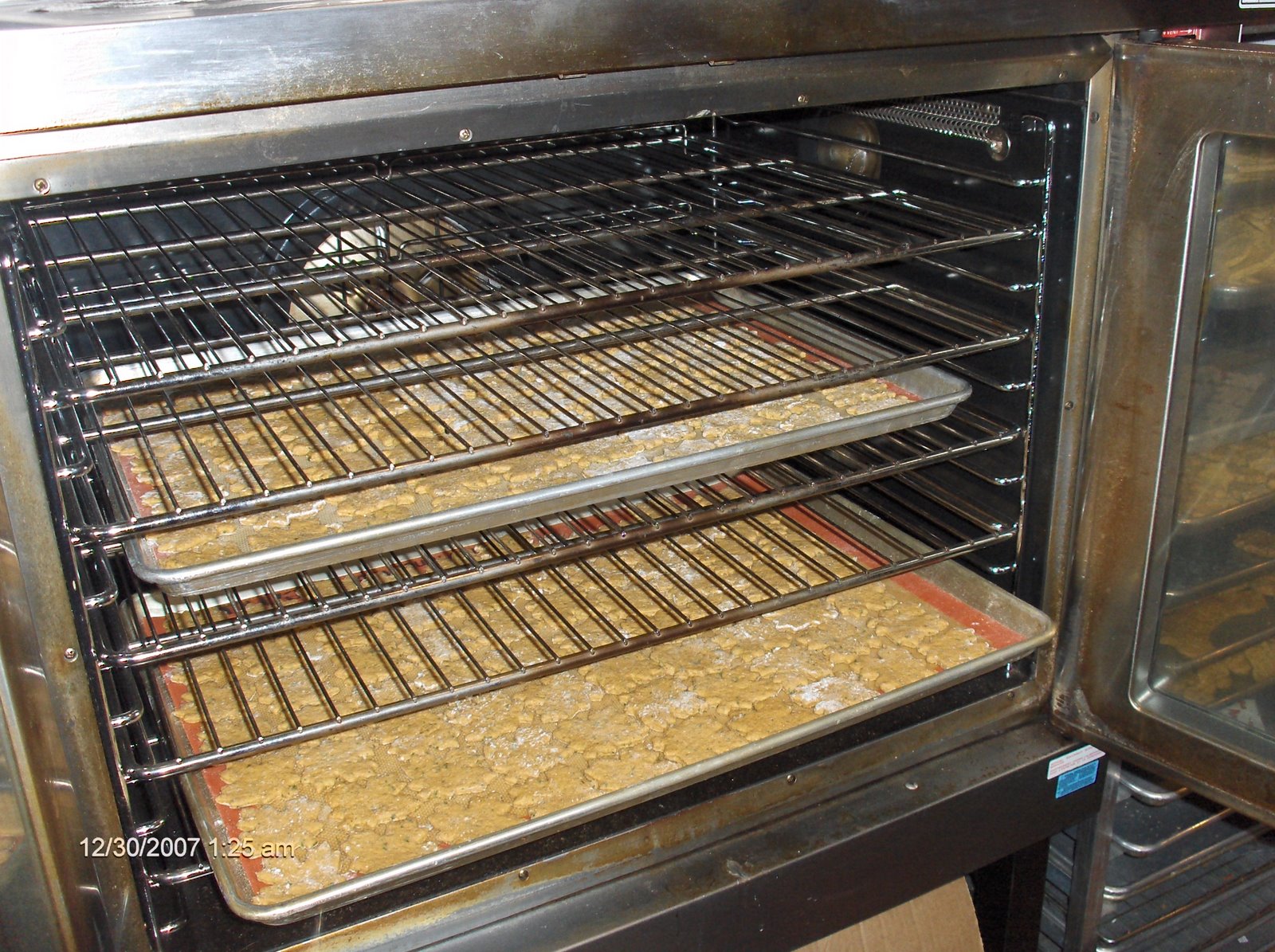
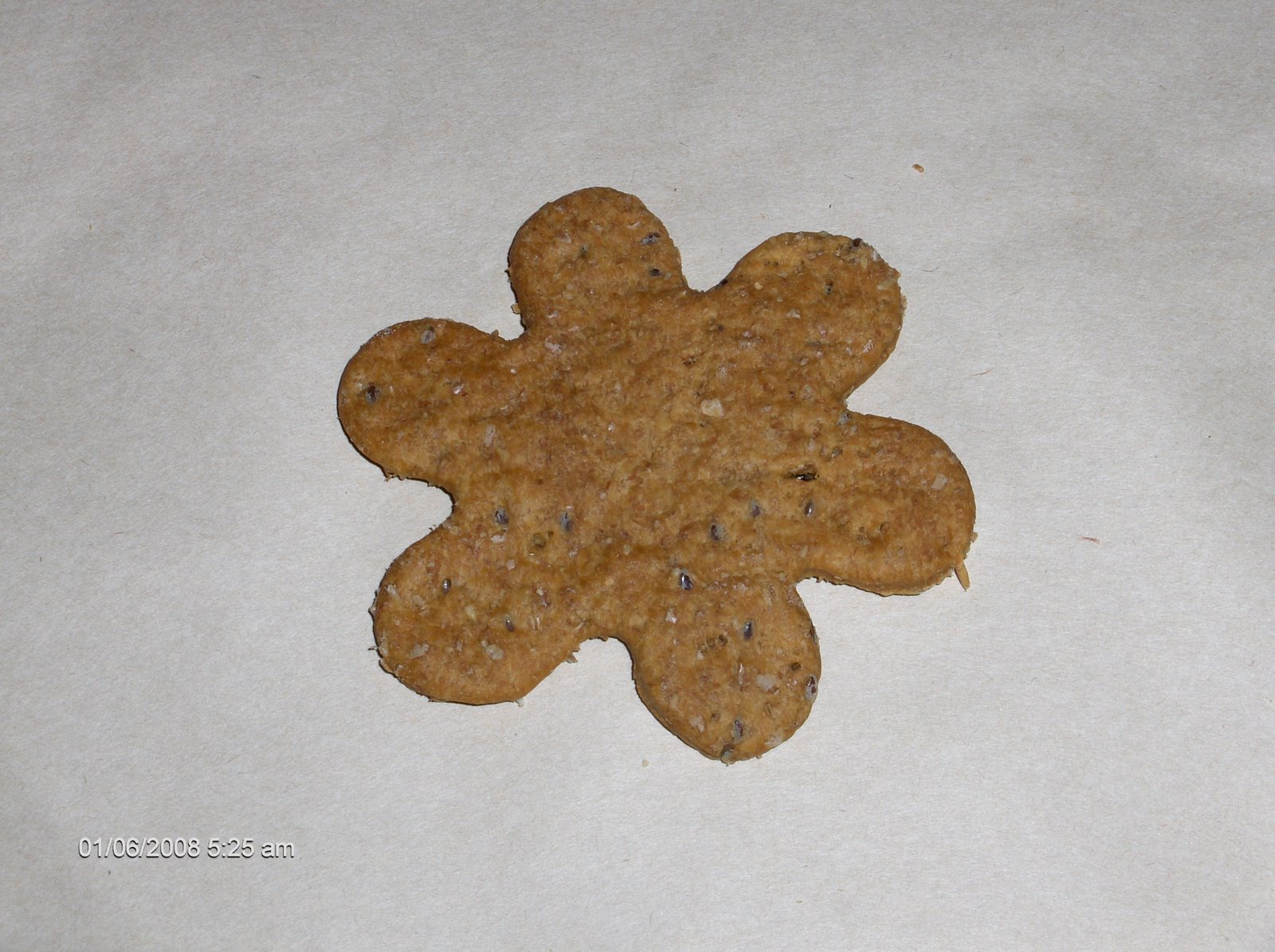
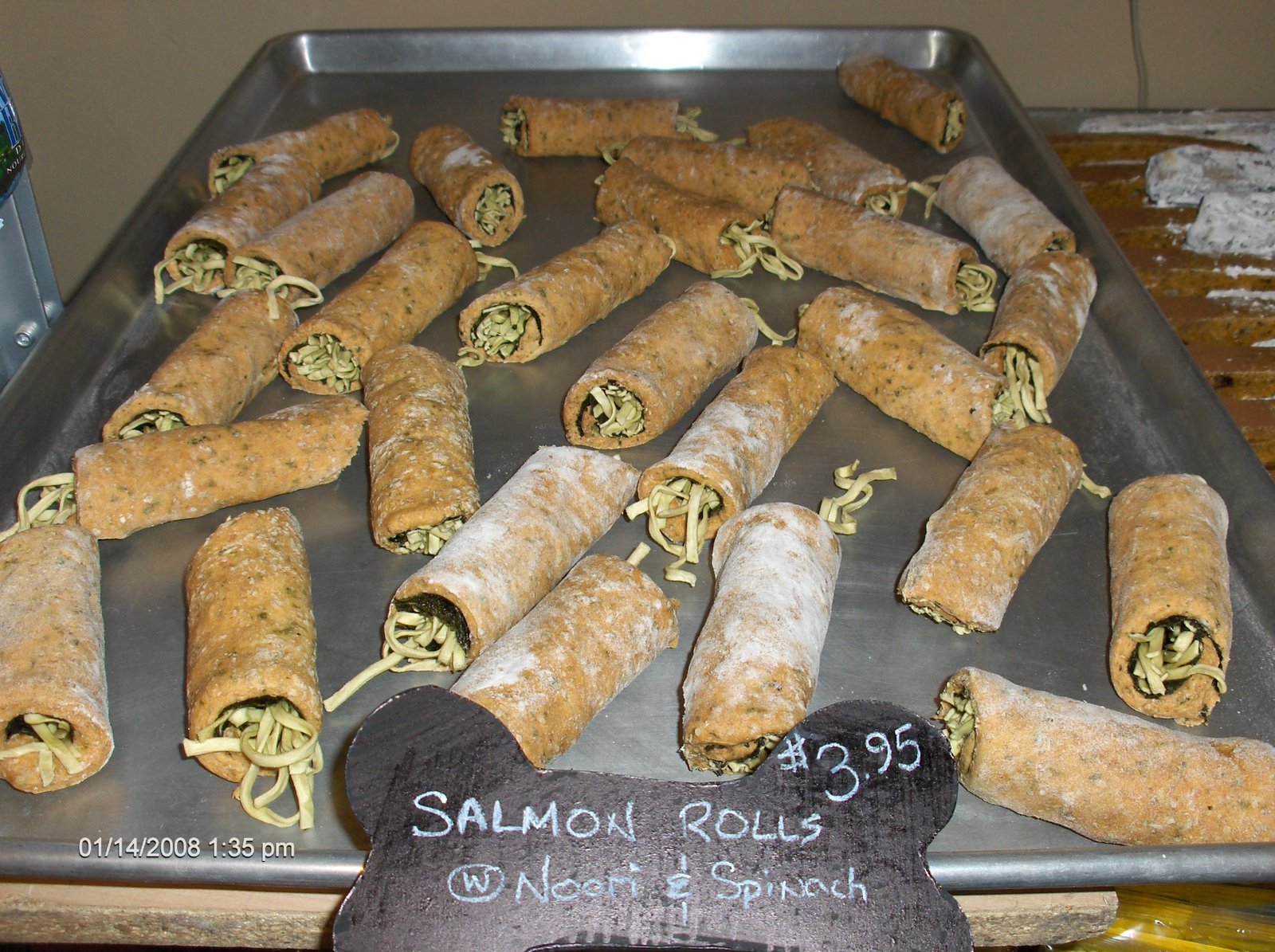
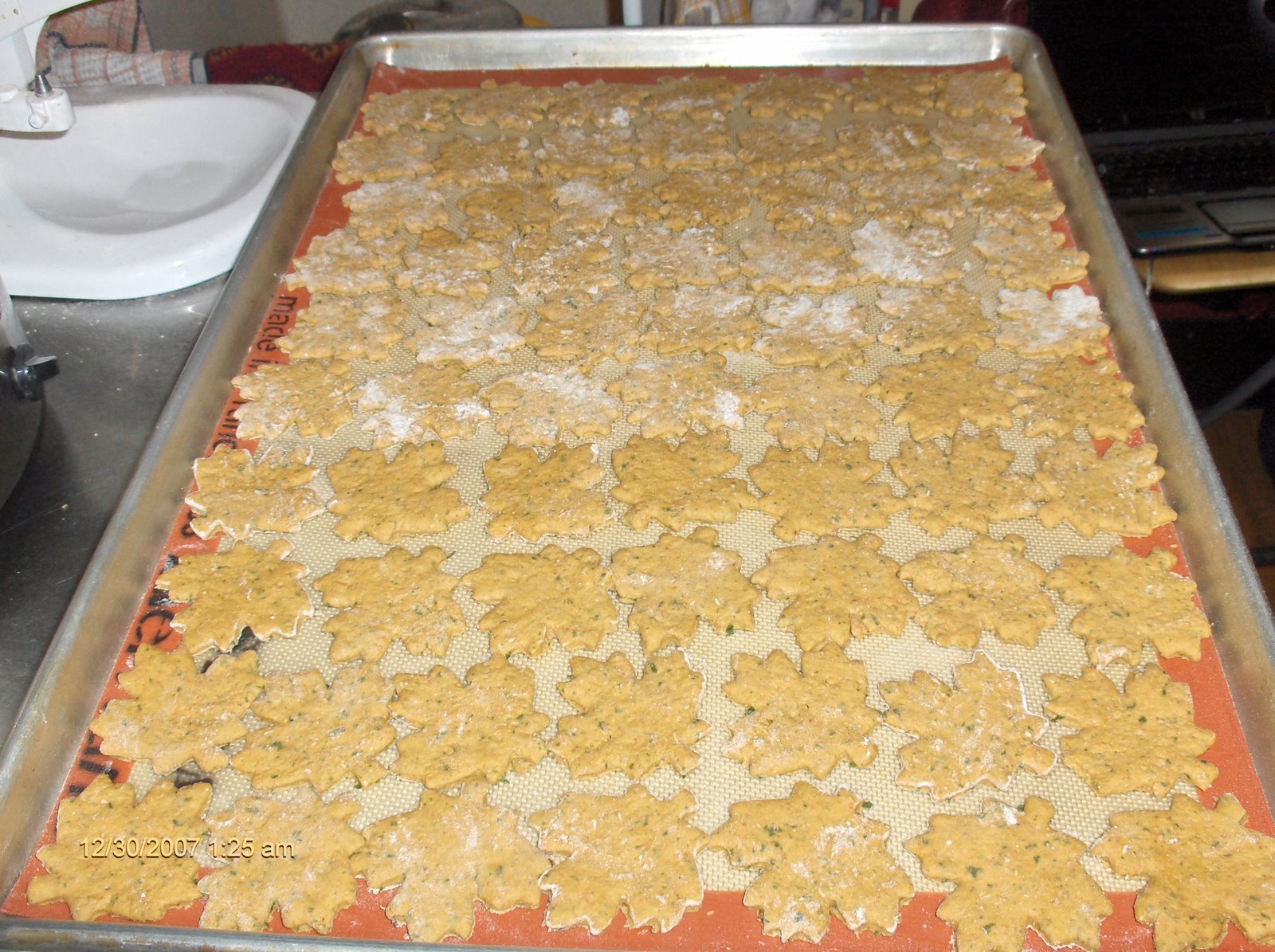
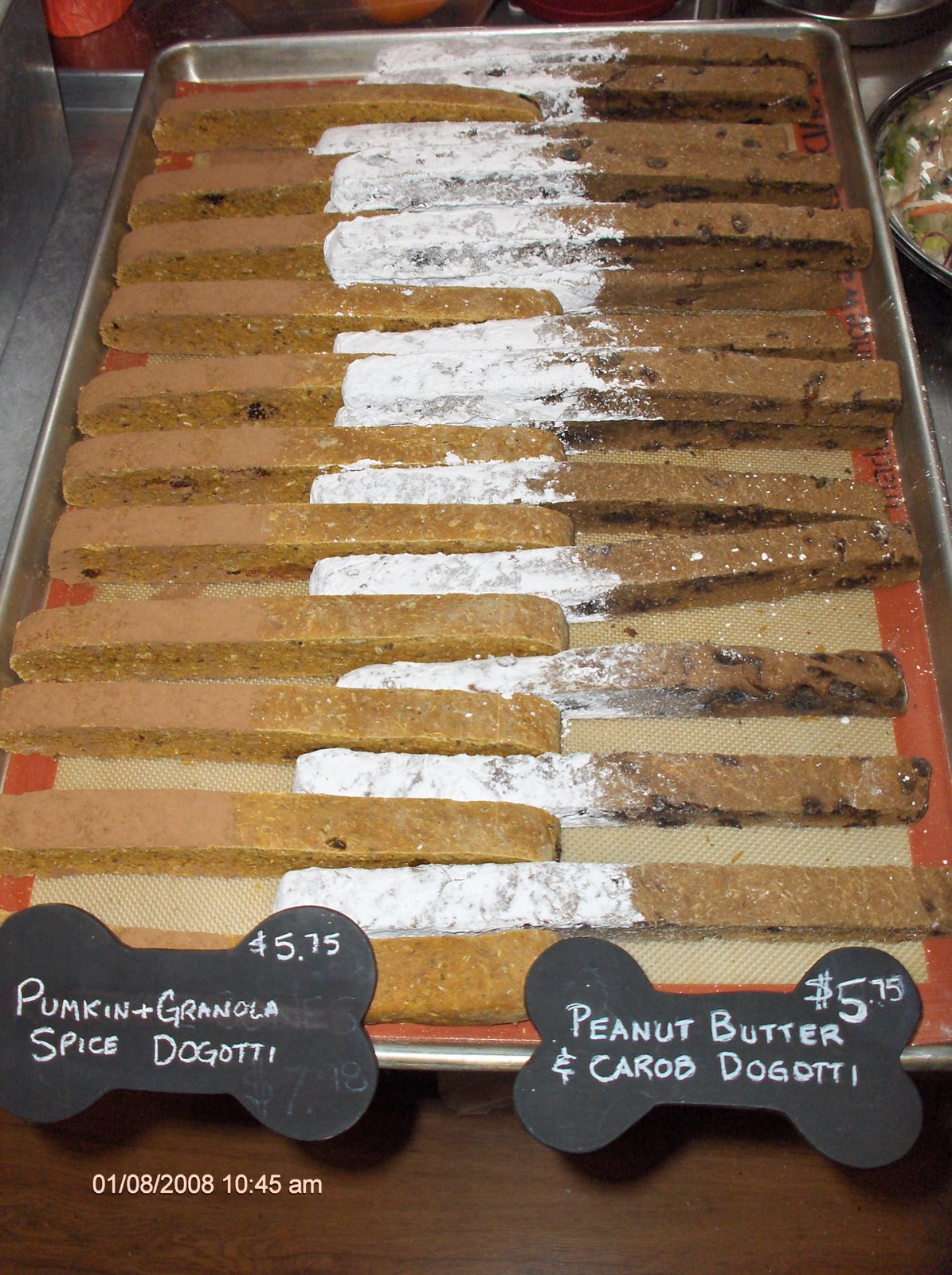
So I know that my store is well known for its "in house" made treats (unlike some other dog bakeries that just heat up already made formulas) and that there is a dedicated following to the treats made right here but I can't help but wonder what people have been feeding Fido over the past few years.
A gentleman walked into the store, looked at the fresh baked items and said recently "wow, dogs eat better cookies than I do".
I didn't take him to task on the issue too much as what he probably meant was "oh dogs now eat good food that is not filled with crap".
I try to do as much research as possible into food ingredients and as a cosmetic manufacturer in my other job I am privy to certain info that others may not be..and know the difference between what is ok to consume and what is touted as a "chemical" or a "preservative" which seem to be the buzz words of ill informed writers and "cause heads" who make like Chicken Little with regard to ingredients.
I try to remind people that everything is a chemical and a preservative most used in food is Tocopherals.....which is Vitamin E.
Without preservatives we would be dead by now from the history of how long we keep things around.............just how old IS that salad dressing or mustard in the fridge?!?!?
I came across a really good excerpt from a book recently that talks to the ingredients of dog food.
Now most people will no longer import food from China for animals and it looks like less is being imported for people especially with milk products in the item.
Here is the rub people...what makes you think that someone in another country like China is looking out for your well being and is adhering to the same standards as manufacturers here in this country or the US???
What makes you think that dog food or cat food is made with the same standards as human food?
There is an interesting dichotomy in that when I snack on a biscuit here in my store that is made with 100% organic ingredients, free range eggs, extra virgin olive oil, lamb, roasted chicken, peanut-butter, etc people are often quick to make a joke of it. "Ewwww..dog biscuits."
"What do you think I put in my treats?" I will respond.
More to that end..."what do you think is in YOUR dog's treats" is the subtext..and "why are you surprised when your dog has constant diarreha"?
The following is the excerpt from the book,
"Food Pets Die For: Shocking Facts About Pet Food." By Ann N. Martin. NewSage Press (1997).
I have placed my two cents in italics and bold type where I thought it necessary.
Television commercials and magazine advertisements for pet food would have us believe that the meats, grains, and fats used in these foods could grace our dining tables. Chicken, beef, lamb, whole grains, and quality fats are supposedly the composition of dog and cat food.
In my opinion, when we purchase these bags and cans of commercial food, we are in most cases purchasing garbage. Not so much these days as manufacturers have really stepped up their game...though I still agree with addition of vegetables and other things to keep the flora balanced in the gut.
Unequivocally, I cannot state that all pet food falls into this category, but I have yet to find one that I could, in all good conscience, feed my dog or cats.
Pet food labels can be deceiving. They only provide half the story. The other half of the story is hidden behind obscure ingredients listed on the labels. Bit by bit, over seven years, I have been able to unearth information about what is contained in most commercial pet food. At first I was shocked, but my shock turned to anger when I realized how little the consumer is told about the actual contents of the pet food. Yup..too true.
As discussed in Chapter Two, companion animals from clinics, pounds, and shelters can and are being rendered and used as sources of protein in pet food. Dead-stock removal operations play a major role in the pet food industry. Dead animals, road kill that cannot be buried at roadside, and in some cases, zoo animals, are picked up by these dead stock operations. I have not heard this to be true here in Canada as it just does not compute to be cost effective.
When an animal dies in the field or is killed due to illness or disability, the dead stock operators pick them up and truck them to the receiving plant. There the dead animal is salvaged for meat or, depending on the state of decomposition, delivered to a rendering plant. At the receiving plants, the animals of value are skinned and viscera removed. Hides of cattle and calves are sold for tanning. Dead animals are strictly forbidden to be rendered at least here in Canada and most plants would outright refuse.The usable meat is removed from the carcass, and covered in charcoal to prevent it from being used for human consumption. Then the meat is frozen, and sold as animal food, which includes pet food.
The packages of this frozen meat must be clearly marked as "unfit for human consumption." The rest of the carcass and poorer quality products including viscera, fat, etcetera, are sent to the rendering facilities. Rendering plants are melting pots for all types of refuse. Restaurant grease and garbage; meats and baked goods long past the expiration dates from supermarkets (Styrofoam trays and shrink-wrap included); the entrails from dead stock removal operations, and the condemned and contaminated material from slaughterhouses. All of these are rendered.
The slaughterhouses where cattle, pigs, goats, calves, sheep, poultry, and rabbits meet their fate, provide more fuel for rendering. After slaughter, heads, feet, skin, toenails, hair, feathers, carpal and tarsal joints, and mammary glands are removed. This material is sent to rendering. Animals who have died on their way to slaughter are rendered. Cancerous tissue or tumors and worm-infested organs are rendered. Injection sites, blood clots, bone splinters, or extraneous matter are rendered. Contaminated blood is rendered. Stomach and bowels are rendered. Contaminated material containing or having been treated with a substance not permitted by, or in any amount in excess of limits prescribed under the Food and Drug Act or the Environmental Protection Act. In other words, if a carcass contains high levels of drugs or pesticides this material is rendered. Before rendering, this material from the slaughterhouse is "denatured," which means that the material from the slaughterhouse is covered with a particular substance to prevent it from getting back into the human food chain. In the United States the substances used for denaturing include: crude carbolic acid, fuel oil, or citronella. In Canada the denaturing agent is Birkolene B. When I asked, the Ministry of Agriculture would not divulge the composition of Birkolene B, stating its ingredients are a trade secret.
At the rendering plant, slaughterhouse material, restaurant and supermarket refuse, dead stock, road kill, and euthanized companion animals are dumped into huge containers. A machine slowly grinds the entire mess. After it is chipped or shredded, it is cooked at temperatures of between 220 degrees F. and 270 degrees F. (104.4 to 132.2 degrees C.) for twenty minutes to one hour. The grease or tallow rises to the top, where it is removed from the mixture. This is the source of animal fat in most pet foods. The remaining material, the raw, is then put into a press where the moisture is squeezed out. We now have meat and bone meal.
The Association of American Feed Control Officials in its "Ingredient Definitions," describe meat meal as the rendered product from mammal tissue exclusive of blood, hair, hoof, hide, trimmings, manure, stomach, and rumen (the first stomach or the cud of a cud chewing animal) contents except in such amounts as may occur unavoidably in good processing practices. In an article written by David C. Cooke, "Animal Disposal: Fact and Fiction," Cooke noted, "Can you imagine trying to remove the hair and stomach contents from 600,000 tons of dog and cats prior to cooking them?" It would seem that either the Association of American Feed Control Officials definition of meat meal or meat and bone meal should be redefined or it needs to include a better description of "good factory practices."
When 4-D animals are picked up and sent to these rendering facilities, you can be assured that the stomach contents are not removed. The blood is not drained nor are the horns and hooves removed. The only portion of the animal that might be removed is the hide and any meat that may be salvageable and not too diseased to be sold as raw pet food or livestock feed. The Minister of Agriculture in Quebec made it clear that companion animals are rendered completely.
Pet Food Industry magazine states that a pet food manufacturer might reject rendered material for various reasons, including the presence of foreign material (metals, hair, plastic, rubber, glass), off odor, excessive feathers, hair or hog bristles, bone chunks, mold, chemical analysis out of specification, added blood, leather, or calcium carbonate, heavy metals, pesticide contamination, improper grind or bulk density, and insect infestation.
Please note that this article states that the manufacturer might reject this material, not that it does reject this material.
If the label on the pet food you purchase states that the product contains meat meal, or meat and bone meal, it is possible that it is comprised of all the materials listed above.
Meat, as defined by the Association of American Feed Control Officials (AAFCO), is the clean flesh derived from slaughtered mammals and is limited to that part of the striate muscle that is skeletal or that which is found in the tongue, diaphragm, heart, or esophagus; with or without the accompanying and overlying fat and the portions of the skin, sinew, nerve, and blood vessels that normally accompany the flesh. When you read on a pet food label that the product contains "real meat," you are getting blood vessels, sinew and so on-hardly the tasty meat that the industry would have us believe it is putting in the food.
Meat by-products are the non rendered, clean parts other than meat derived from slaughtered mammals. It includes, but is not limited to, lungs, spleen, kidneys, brain, livers, blood, bone, partially defatted low temperature fatty tissue, and stomachs and intestines freed of their contents. Again, be assured that if it could be used for human consumption, such as kidneys and livers, it would not be going into pet food. If a liver is found to be infested with worms (liver flukes), if lungs are filled with pneumonia, these can become pet food. However, in Canada, disease-free intestines can still be used for sausage casing for humans instead of pet food.
What about other sources of protein that can be used in pet food? Poultry-by-product meal consists of ground, rendered, clean parts of the carcasses of slaughtered poultry, such as necks, feet, undeveloped eggs, and intestines, exclusive of feathers, except in such amounts as might occur unavoidably in good processing practice.
Poultry-hatchery by-products are a mixture of egg shells, infertile and unhatched eggs and culled chicks that have been cooked, dried and ground, with or without removal of part of the fat.
Poultry by-products include non rendered clean parts of carcasses of slaughtered poultry such as heads, feet, and viscera, free of fecal content and foreign matter except in such trace amounts as might occur unavoidably in good factory practice. These are all definitions as listed in the AAFCO "Ingredient Definitions."
Hydrolyzed poultry feather is another source of protein - not digestible protein, but protein nonetheless. This product results from the treatment under pressure of clean, intact feathers from slaughtered poultry free of additives, and/or accelerators.
We have covered the meat and poultry that can be used in commercial pet foods but according to the AAFCO there are a number of other sources that can make up the protein in these foods. As we venture down the road of these other sources, please be advised to proceed at your own risk if you have a weak stomach.
Hydrolysed hair is a product prepared from clean hair treated by heat and pressure to produce a product suitable for animal feeding.
Spray-dried animal blood is produced from clean, fresh animal blood, exclusive of all extraneous material such as hair, stomach belching (contents of stomach), and urine, except in such traces as might occur unavoidably in good factory practices.
Dehydrated food-waste is any and all animal and vegetable produce picked up from basic food processing sources or institutions where food is processed. The produce shall be picked up daily or sufficiently often so that no decomposition is evident. With this ingredient, it seems that what you don't see won't hurt you.
Dehydrated garbage is composed of artificially dried animal and vegetable waste collected sufficiently often that harmful decomposition has not set in and from which have been separated crockery, glass, metal, string, and similar materials.
Dehydrated paunch products are composed of the contents of the rumen of slaughtered cattle, dehydrated at temperatures over 212 degrees F. (100 degrees C.) to a moisture content of 12 percent or less, such dehydration is designed to destroy any pathogenic bacteria.
Dried poultry waste is a processed animal waste product composed primarily of processed ruminant excreta that has been artificially dehydrated to a moisture content not in excess of 15 percent. It shall contain not less than 12 percent crude protein, not more than 40 percent crude fiber, including straw, wood shavings and so on, and not more than 30 percent ash.
Dried swine waste is a processed animal-waste product composed primarily of swine excreta that has been artificially dehydrated to a moisture content not in excess of 15 percent. It shall contain not less than 20 percent crude protein, not more than 35 percent crude fiber, including other material such as straw, woodshavings, or acceptable bedding materials, and not more than 20 percent ash.
Undried processed animal waste product is composed of excreta, with or without the litter, from poultry, ruminants, or any other animal except humans, which may or may not include other feed ingredients, and which contains in excess of 15 percent feed ingredients, and which contains in excess of 15 percent moisture. It shall contain no more than 30 percent combined wood, woodshavings, litter, dirt, sand, rocks, and similar extraneous materials.
After reading this list of ingredients for the first time and not really believing that such ingredients could be used in pet food, I sent a fax to the chair of the AAFCO to inquire. "Would the 'Feed Ingredient Definitions' apply to pet food as well as livestock feed?" The reply was as follows, "The feed ingredient definitions approved by the AAFCO apply to all animal feeds, including pet foods, unless specific animal species restrictions are noted."
If a pet food lists "meat by-products" on the label, remember that this is the material that usually comes from the slaughterhouse industry or dead stock removal operations, classified as condemned or contaminated, unfit for human consumption. Meat meal, meat and bone meal, digests, and tankage (specifically animal tissue including bones and exclusive of hair, hoofs, horns, and contents of digestive tract) are composed of rendered material. The label need not state what the composition of this material is, as each batch rendered would consist of a different material. These are the sources of protein that we are feeding our companion animals.
In 1996 I decided to find out the cost of this "quality" material that the pet food companies purchase from the rendering facilities. Aware that a phone call from an ordinary citizen would not elicit the information I required, I set about forming my own independent pet food company. Stating that my company was about to begin producing quality pet food, I asked for a price quote on meat by-products and meat meal from a Canadian rendering company and from a U.S. rendering company. Both facilities I contacted were more than pleased to provide this information. As I was just a small company and did not require that much material to begin production, the cost was higher than it would have been for one of the large multinationals. Meat and bone meal, with a content of a minimum of 50 percent protein, 12 percent fat, 8 percent moisture, 8 percent calcium, 4 percent phosphorus, and 30 percent ash, could be purchased by me, a small independent company for less than 12¢ (Canadian) a pound. As for the meat by-products the prices varied:. liver sold at 21¢ per pound, veal at 22¢ per pound, and lungs for only 12¢ per pound.
The main ingredient in dry food for dogs and cats is corn. However, on further investigation, I found that according to the AAFCO, the list is lengthy as to the corn products that can be used in pet food. These include, but are not limited to the following ingredients.
Corn four is the fine-size hard flinty portions of ground corn containing little or none of the bran or germ.
Corn bran is the outer coating of the corn kernel, with little or none of the starchy part of the germ.
Corn gluten meal is the dried residue from corn after the removal of the larger part of the starch and germ, and the separation of the bran by the process employed in the wet milling manufacture of corn starch or syrup, or by enzymatic treatment of the endosperm.
Wheat is a constituent found in many pet foods. Again the AAFCO gives descriptive terms for wheat products.
Wheat flour consists principally of wheat flour together with fine particles of wheat bran, wheat germ, and the offal from the "tail of the mill." Tail of the mill is nothing more then the sweepings of leftovers after everything has been processed from the week.
Wheat germ meal consists chiefly of wheat germ together with some bran and middlings or shorts.
Wheat middlings and shorts are also categorized as the fine particles of wheat germ, bran, flour and offal from the "tail of the mill."
Both corn and wheat are usually the first ingredients listed on both dry dog and cat food labels. If they are not the first ingredients, they are the second and third that together make up most of the sources of protein in that particular product. Perhaps the pet food industry is not aware that cats are carnivores and therefore should derive their protein from meat, not grains?
In 1995 one large pet food company, located in California, recalled $20 million worth of its dog food. This food was found to contain vomitoxin. Vomitoxin is formed when grains become wet and moldy. This toxin was found in "wheat screenings" used in the pet food. The FDA did investigate but not out of concern for the more than 250 dogs that became ill after ingesting this food. It investigated because of concerns for human health. The contaminated wheat screenings were the end product of wheat flour that would be used in the making of pasta. Wheat for baking flour requires a higher quality of wheat. Wheat screenings, which are not used for human consumption, can include broken grains, crop and weed seeds, hulls, chaff, joints, straw, elevator or mill dust, sand, and dirt.
Fat is usually the second ingredient listed on the pet food labels. Fats can be sprayed directly on the food or mixed with the other ingredients. Fats give off a pungent odor that entices your pet to eat the garbage. These fats are sourced from restaurant grease. This oil is rancid and unfit for human consumption. One of the main sources of fat comes from the rendering plant. This is obtained from the tissues of mammals and/or poultry in the commercial process of rendering or extracting.
An article in Petted Industry magazine does not indicate concern about the impurities in this rendered material as it relates to pet food. Dr. Tim Phillips writes, "Impurities could be small particles of fiber, hair, hide, bone, soil or polyethylene. Or they could be dirt or metal particles picked up after processing (during storage and/or transport). Impurities can cause clogging problems in fat handling screens, nozzles, etc. and contribute to the build-up of sludge in storage tanks."
Other tasty ingredients that can be added to commercial pet food include:
Beet pulp is the dried residue from sugar beet, added for fiber, but primarily sugar.
Soybean meal is the product obtained by grinding the flakes that remain after the removal of most of the oil from soybeans by a solvent extraction process.
Powdered cellulose is purified, mechanically disintegrated cellulose prepared by processing alpha cellulose obtained as a pulp from fibrous plant material. In other words, sawdust.
Sugar foods by-products result from the grinding and mixing of inedible portions derived from the preparation and packaging of sugar-based food products such as candy, dry packaged drinks, dried gelatin mixes, and similar food products that are largely composed of sugar.
Ground almond and peanut shells are used as another source of fiber.
Fish is a source of protein. If you own a cat, just open a can of food that contains fish and watch kitty come running. The parts used are fish heads, tails, fins, bones, and viscera. R.L. Wysong, DVM, states that because the entire fish is not used it does not contain many of the fat soluble vitamins, minerals, and omega-3 fatty acids. If, however, the entire fish is used for pet food, oftentimes it is because the fish contains a high level of mercury or other toxin making it unfit for human consumption. Even fish that was canned for human consumption and that has sat on the shelf past the expiration date will be included. Tuna is used in many cat foods because of its strong odor, which cats find irresistible.
In her book The Natural Cat, Anitra Frazier describes the "tuna junkie" as an expression used by veterinarians to describe a cat hooked on tuna. According to Frazier, "The vegetable oil which it is packed in robs the cat's body of vitamin E which can result in a condition called steatitis.'' Symptoms of steatitis include extreme nervousness and severe pain when touched. The lack of vitamin E in the diet causes the nerve endings to become sensitive, and can also induce anemia and heart disease. However, excess levels of vitamin E can be toxic. A veterinarian with an understanding of nutrition should be consulted.
One commercial food that most cats and dogs seem to love are the semi-moist foods. These kibble and burger-shaped concoctions are made to resemble real hamburger. However, according to Wendell O. Belfield and Martin Zucker in their book, How to Have a Healthier Dog, these are one of the most dangerous of all commercial pet foods. They are high in sugar, laced with dyes, additives, and preservatives, and have a shelf life that spans eternity. One pet owner wrote to me explaining that she had fed her cat some of these semi-moist tidbits. The cat became ill shortly after eating them, and even professional carpet cleaners could not remove the red dye from the carpet where her cat had been ill. In his book, Pet Allergies: Remedies for an Epidemic, Alfred Plechner, DVM., writes, "In my opinion, semi-moist foods should be placed in a time capsule to serve as a record of modern technology gone mad." They really are just flavoured playdough.
The pet food industry corrals this material, then mixes, cooks, dries and extrudes the stuff. (Extruding simply means it is pushed through a mold to form the different shapes and to make us think that these so called "chunks" are actually pieces of meat.) Dyes, additives, preservatives are routinely added and they can accumulate in the pet's body. According to the Animal Protection Institute of America newsletter, "Investigative Report on Pet Food, "Ethoxyquin (an antioxidant preservative), was found in dogs' livers and tissue months after it had been removed from their diet."
After processing, the food is practically devoid of any nutritional value. To make up for what is lacking, vitamins, minerals, amino acids, and supplements are dumped into the mix. If the minerals added are unchelated (chelated means minerals will more readily combine with proteins for better absorption), they will pass through the body virtually unused. Most are added as a premix, and if there is a mistake made in the premix, it can throw off the entire balance. Veterinarians Marty Goldstein and Robert Goldstein have stated that the wrong calcium/magnesium ratio can cause neuromuscular problems. As an example, when I had the commercial pet food tested by Mann Laboratories for my court case, most of the minerals showed excess levels.
Well there ya go...some interesting facts on pet food and what it is made up of. The upshot is that as informed consumers you can read the labels and pick what you need for your pet. Recently a friend with a new puppy said "by-products are not too bad..are they?" wellllll here is your answer my friend in the best way I can see to impart that info. For a variety of reasons we make really good treats here...and I think I will ask people to read this blog whenever they ask why the dog treats seem sooo darn good.
Just sayin'.........woof!
A gentleman walked into the store, looked at the fresh baked items and said recently "wow, dogs eat better cookies than I do".
I didn't take him to task on the issue too much as what he probably meant was "oh dogs now eat good food that is not filled with crap".
I try to do as much research as possible into food ingredients and as a cosmetic manufacturer in my other job I am privy to certain info that others may not be..and know the difference between what is ok to consume and what is touted as a "chemical" or a "preservative" which seem to be the buzz words of ill informed writers and "cause heads" who make like Chicken Little with regard to ingredients.
I try to remind people that everything is a chemical and a preservative most used in food is Tocopherals.....which is Vitamin E.
Without preservatives we would be dead by now from the history of how long we keep things around.............just how old IS that salad dressing or mustard in the fridge?!?!?
I came across a really good excerpt from a book recently that talks to the ingredients of dog food.
Now most people will no longer import food from China for animals and it looks like less is being imported for people especially with milk products in the item.
Here is the rub people...what makes you think that someone in another country like China is looking out for your well being and is adhering to the same standards as manufacturers here in this country or the US???
What makes you think that dog food or cat food is made with the same standards as human food?
There is an interesting dichotomy in that when I snack on a biscuit here in my store that is made with 100% organic ingredients, free range eggs, extra virgin olive oil, lamb, roasted chicken, peanut-butter, etc people are often quick to make a joke of it. "Ewwww..dog biscuits."
"What do you think I put in my treats?" I will respond.
More to that end..."what do you think is in YOUR dog's treats" is the subtext..and "why are you surprised when your dog has constant diarreha"?
The following is the excerpt from the book,
"Food Pets Die For: Shocking Facts About Pet Food." By Ann N. Martin. NewSage Press (1997).
I have placed my two cents in italics and bold type where I thought it necessary.
Television commercials and magazine advertisements for pet food would have us believe that the meats, grains, and fats used in these foods could grace our dining tables. Chicken, beef, lamb, whole grains, and quality fats are supposedly the composition of dog and cat food.
In my opinion, when we purchase these bags and cans of commercial food, we are in most cases purchasing garbage. Not so much these days as manufacturers have really stepped up their game...though I still agree with addition of vegetables and other things to keep the flora balanced in the gut.
Unequivocally, I cannot state that all pet food falls into this category, but I have yet to find one that I could, in all good conscience, feed my dog or cats.
Pet food labels can be deceiving. They only provide half the story. The other half of the story is hidden behind obscure ingredients listed on the labels. Bit by bit, over seven years, I have been able to unearth information about what is contained in most commercial pet food. At first I was shocked, but my shock turned to anger when I realized how little the consumer is told about the actual contents of the pet food. Yup..too true.
As discussed in Chapter Two, companion animals from clinics, pounds, and shelters can and are being rendered and used as sources of protein in pet food. Dead-stock removal operations play a major role in the pet food industry. Dead animals, road kill that cannot be buried at roadside, and in some cases, zoo animals, are picked up by these dead stock operations. I have not heard this to be true here in Canada as it just does not compute to be cost effective.
When an animal dies in the field or is killed due to illness or disability, the dead stock operators pick them up and truck them to the receiving plant. There the dead animal is salvaged for meat or, depending on the state of decomposition, delivered to a rendering plant. At the receiving plants, the animals of value are skinned and viscera removed. Hides of cattle and calves are sold for tanning. Dead animals are strictly forbidden to be rendered at least here in Canada and most plants would outright refuse.The usable meat is removed from the carcass, and covered in charcoal to prevent it from being used for human consumption. Then the meat is frozen, and sold as animal food, which includes pet food.
The packages of this frozen meat must be clearly marked as "unfit for human consumption." The rest of the carcass and poorer quality products including viscera, fat, etcetera, are sent to the rendering facilities. Rendering plants are melting pots for all types of refuse. Restaurant grease and garbage; meats and baked goods long past the expiration dates from supermarkets (Styrofoam trays and shrink-wrap included); the entrails from dead stock removal operations, and the condemned and contaminated material from slaughterhouses. All of these are rendered.
The slaughterhouses where cattle, pigs, goats, calves, sheep, poultry, and rabbits meet their fate, provide more fuel for rendering. After slaughter, heads, feet, skin, toenails, hair, feathers, carpal and tarsal joints, and mammary glands are removed. This material is sent to rendering. Animals who have died on their way to slaughter are rendered. Cancerous tissue or tumors and worm-infested organs are rendered. Injection sites, blood clots, bone splinters, or extraneous matter are rendered. Contaminated blood is rendered. Stomach and bowels are rendered. Contaminated material containing or having been treated with a substance not permitted by, or in any amount in excess of limits prescribed under the Food and Drug Act or the Environmental Protection Act. In other words, if a carcass contains high levels of drugs or pesticides this material is rendered. Before rendering, this material from the slaughterhouse is "denatured," which means that the material from the slaughterhouse is covered with a particular substance to prevent it from getting back into the human food chain. In the United States the substances used for denaturing include: crude carbolic acid, fuel oil, or citronella. In Canada the denaturing agent is Birkolene B. When I asked, the Ministry of Agriculture would not divulge the composition of Birkolene B, stating its ingredients are a trade secret.
At the rendering plant, slaughterhouse material, restaurant and supermarket refuse, dead stock, road kill, and euthanized companion animals are dumped into huge containers. A machine slowly grinds the entire mess. After it is chipped or shredded, it is cooked at temperatures of between 220 degrees F. and 270 degrees F. (104.4 to 132.2 degrees C.) for twenty minutes to one hour. The grease or tallow rises to the top, where it is removed from the mixture. This is the source of animal fat in most pet foods. The remaining material, the raw, is then put into a press where the moisture is squeezed out. We now have meat and bone meal.
The Association of American Feed Control Officials in its "Ingredient Definitions," describe meat meal as the rendered product from mammal tissue exclusive of blood, hair, hoof, hide, trimmings, manure, stomach, and rumen (the first stomach or the cud of a cud chewing animal) contents except in such amounts as may occur unavoidably in good processing practices. In an article written by David C. Cooke, "Animal Disposal: Fact and Fiction," Cooke noted, "Can you imagine trying to remove the hair and stomach contents from 600,000 tons of dog and cats prior to cooking them?" It would seem that either the Association of American Feed Control Officials definition of meat meal or meat and bone meal should be redefined or it needs to include a better description of "good factory practices."
When 4-D animals are picked up and sent to these rendering facilities, you can be assured that the stomach contents are not removed. The blood is not drained nor are the horns and hooves removed. The only portion of the animal that might be removed is the hide and any meat that may be salvageable and not too diseased to be sold as raw pet food or livestock feed. The Minister of Agriculture in Quebec made it clear that companion animals are rendered completely.
Pet Food Industry magazine states that a pet food manufacturer might reject rendered material for various reasons, including the presence of foreign material (metals, hair, plastic, rubber, glass), off odor, excessive feathers, hair or hog bristles, bone chunks, mold, chemical analysis out of specification, added blood, leather, or calcium carbonate, heavy metals, pesticide contamination, improper grind or bulk density, and insect infestation.
Please note that this article states that the manufacturer might reject this material, not that it does reject this material.
If the label on the pet food you purchase states that the product contains meat meal, or meat and bone meal, it is possible that it is comprised of all the materials listed above.
Meat, as defined by the Association of American Feed Control Officials (AAFCO), is the clean flesh derived from slaughtered mammals and is limited to that part of the striate muscle that is skeletal or that which is found in the tongue, diaphragm, heart, or esophagus; with or without the accompanying and overlying fat and the portions of the skin, sinew, nerve, and blood vessels that normally accompany the flesh. When you read on a pet food label that the product contains "real meat," you are getting blood vessels, sinew and so on-hardly the tasty meat that the industry would have us believe it is putting in the food.
Meat by-products are the non rendered, clean parts other than meat derived from slaughtered mammals. It includes, but is not limited to, lungs, spleen, kidneys, brain, livers, blood, bone, partially defatted low temperature fatty tissue, and stomachs and intestines freed of their contents. Again, be assured that if it could be used for human consumption, such as kidneys and livers, it would not be going into pet food. If a liver is found to be infested with worms (liver flukes), if lungs are filled with pneumonia, these can become pet food. However, in Canada, disease-free intestines can still be used for sausage casing for humans instead of pet food.
What about other sources of protein that can be used in pet food? Poultry-by-product meal consists of ground, rendered, clean parts of the carcasses of slaughtered poultry, such as necks, feet, undeveloped eggs, and intestines, exclusive of feathers, except in such amounts as might occur unavoidably in good processing practice.
Poultry-hatchery by-products are a mixture of egg shells, infertile and unhatched eggs and culled chicks that have been cooked, dried and ground, with or without removal of part of the fat.
Poultry by-products include non rendered clean parts of carcasses of slaughtered poultry such as heads, feet, and viscera, free of fecal content and foreign matter except in such trace amounts as might occur unavoidably in good factory practice. These are all definitions as listed in the AAFCO "Ingredient Definitions."
Hydrolyzed poultry feather is another source of protein - not digestible protein, but protein nonetheless. This product results from the treatment under pressure of clean, intact feathers from slaughtered poultry free of additives, and/or accelerators.
We have covered the meat and poultry that can be used in commercial pet foods but according to the AAFCO there are a number of other sources that can make up the protein in these foods. As we venture down the road of these other sources, please be advised to proceed at your own risk if you have a weak stomach.
Hydrolysed hair is a product prepared from clean hair treated by heat and pressure to produce a product suitable for animal feeding.
Spray-dried animal blood is produced from clean, fresh animal blood, exclusive of all extraneous material such as hair, stomach belching (contents of stomach), and urine, except in such traces as might occur unavoidably in good factory practices.
Dehydrated food-waste is any and all animal and vegetable produce picked up from basic food processing sources or institutions where food is processed. The produce shall be picked up daily or sufficiently often so that no decomposition is evident. With this ingredient, it seems that what you don't see won't hurt you.
Dehydrated garbage is composed of artificially dried animal and vegetable waste collected sufficiently often that harmful decomposition has not set in and from which have been separated crockery, glass, metal, string, and similar materials.
Dehydrated paunch products are composed of the contents of the rumen of slaughtered cattle, dehydrated at temperatures over 212 degrees F. (100 degrees C.) to a moisture content of 12 percent or less, such dehydration is designed to destroy any pathogenic bacteria.
Dried poultry waste is a processed animal waste product composed primarily of processed ruminant excreta that has been artificially dehydrated to a moisture content not in excess of 15 percent. It shall contain not less than 12 percent crude protein, not more than 40 percent crude fiber, including straw, wood shavings and so on, and not more than 30 percent ash.
Dried swine waste is a processed animal-waste product composed primarily of swine excreta that has been artificially dehydrated to a moisture content not in excess of 15 percent. It shall contain not less than 20 percent crude protein, not more than 35 percent crude fiber, including other material such as straw, woodshavings, or acceptable bedding materials, and not more than 20 percent ash.
Undried processed animal waste product is composed of excreta, with or without the litter, from poultry, ruminants, or any other animal except humans, which may or may not include other feed ingredients, and which contains in excess of 15 percent feed ingredients, and which contains in excess of 15 percent moisture. It shall contain no more than 30 percent combined wood, woodshavings, litter, dirt, sand, rocks, and similar extraneous materials.
After reading this list of ingredients for the first time and not really believing that such ingredients could be used in pet food, I sent a fax to the chair of the AAFCO to inquire. "Would the 'Feed Ingredient Definitions' apply to pet food as well as livestock feed?" The reply was as follows, "The feed ingredient definitions approved by the AAFCO apply to all animal feeds, including pet foods, unless specific animal species restrictions are noted."
If a pet food lists "meat by-products" on the label, remember that this is the material that usually comes from the slaughterhouse industry or dead stock removal operations, classified as condemned or contaminated, unfit for human consumption. Meat meal, meat and bone meal, digests, and tankage (specifically animal tissue including bones and exclusive of hair, hoofs, horns, and contents of digestive tract) are composed of rendered material. The label need not state what the composition of this material is, as each batch rendered would consist of a different material. These are the sources of protein that we are feeding our companion animals.
In 1996 I decided to find out the cost of this "quality" material that the pet food companies purchase from the rendering facilities. Aware that a phone call from an ordinary citizen would not elicit the information I required, I set about forming my own independent pet food company. Stating that my company was about to begin producing quality pet food, I asked for a price quote on meat by-products and meat meal from a Canadian rendering company and from a U.S. rendering company. Both facilities I contacted were more than pleased to provide this information. As I was just a small company and did not require that much material to begin production, the cost was higher than it would have been for one of the large multinationals. Meat and bone meal, with a content of a minimum of 50 percent protein, 12 percent fat, 8 percent moisture, 8 percent calcium, 4 percent phosphorus, and 30 percent ash, could be purchased by me, a small independent company for less than 12¢ (Canadian) a pound. As for the meat by-products the prices varied:. liver sold at 21¢ per pound, veal at 22¢ per pound, and lungs for only 12¢ per pound.
The main ingredient in dry food for dogs and cats is corn. However, on further investigation, I found that according to the AAFCO, the list is lengthy as to the corn products that can be used in pet food. These include, but are not limited to the following ingredients.
Corn four is the fine-size hard flinty portions of ground corn containing little or none of the bran or germ.
Corn bran is the outer coating of the corn kernel, with little or none of the starchy part of the germ.
Corn gluten meal is the dried residue from corn after the removal of the larger part of the starch and germ, and the separation of the bran by the process employed in the wet milling manufacture of corn starch or syrup, or by enzymatic treatment of the endosperm.
Wheat is a constituent found in many pet foods. Again the AAFCO gives descriptive terms for wheat products.
Wheat flour consists principally of wheat flour together with fine particles of wheat bran, wheat germ, and the offal from the "tail of the mill." Tail of the mill is nothing more then the sweepings of leftovers after everything has been processed from the week.
Wheat germ meal consists chiefly of wheat germ together with some bran and middlings or shorts.
Wheat middlings and shorts are also categorized as the fine particles of wheat germ, bran, flour and offal from the "tail of the mill."
Both corn and wheat are usually the first ingredients listed on both dry dog and cat food labels. If they are not the first ingredients, they are the second and third that together make up most of the sources of protein in that particular product. Perhaps the pet food industry is not aware that cats are carnivores and therefore should derive their protein from meat, not grains?
In 1995 one large pet food company, located in California, recalled $20 million worth of its dog food. This food was found to contain vomitoxin. Vomitoxin is formed when grains become wet and moldy. This toxin was found in "wheat screenings" used in the pet food. The FDA did investigate but not out of concern for the more than 250 dogs that became ill after ingesting this food. It investigated because of concerns for human health. The contaminated wheat screenings were the end product of wheat flour that would be used in the making of pasta. Wheat for baking flour requires a higher quality of wheat. Wheat screenings, which are not used for human consumption, can include broken grains, crop and weed seeds, hulls, chaff, joints, straw, elevator or mill dust, sand, and dirt.
Fat is usually the second ingredient listed on the pet food labels. Fats can be sprayed directly on the food or mixed with the other ingredients. Fats give off a pungent odor that entices your pet to eat the garbage. These fats are sourced from restaurant grease. This oil is rancid and unfit for human consumption. One of the main sources of fat comes from the rendering plant. This is obtained from the tissues of mammals and/or poultry in the commercial process of rendering or extracting.
An article in Petted Industry magazine does not indicate concern about the impurities in this rendered material as it relates to pet food. Dr. Tim Phillips writes, "Impurities could be small particles of fiber, hair, hide, bone, soil or polyethylene. Or they could be dirt or metal particles picked up after processing (during storage and/or transport). Impurities can cause clogging problems in fat handling screens, nozzles, etc. and contribute to the build-up of sludge in storage tanks."
Other tasty ingredients that can be added to commercial pet food include:
Beet pulp is the dried residue from sugar beet, added for fiber, but primarily sugar.
Soybean meal is the product obtained by grinding the flakes that remain after the removal of most of the oil from soybeans by a solvent extraction process.
Powdered cellulose is purified, mechanically disintegrated cellulose prepared by processing alpha cellulose obtained as a pulp from fibrous plant material. In other words, sawdust.
Sugar foods by-products result from the grinding and mixing of inedible portions derived from the preparation and packaging of sugar-based food products such as candy, dry packaged drinks, dried gelatin mixes, and similar food products that are largely composed of sugar.
Ground almond and peanut shells are used as another source of fiber.
Fish is a source of protein. If you own a cat, just open a can of food that contains fish and watch kitty come running. The parts used are fish heads, tails, fins, bones, and viscera. R.L. Wysong, DVM, states that because the entire fish is not used it does not contain many of the fat soluble vitamins, minerals, and omega-3 fatty acids. If, however, the entire fish is used for pet food, oftentimes it is because the fish contains a high level of mercury or other toxin making it unfit for human consumption. Even fish that was canned for human consumption and that has sat on the shelf past the expiration date will be included. Tuna is used in many cat foods because of its strong odor, which cats find irresistible.
In her book The Natural Cat, Anitra Frazier describes the "tuna junkie" as an expression used by veterinarians to describe a cat hooked on tuna. According to Frazier, "The vegetable oil which it is packed in robs the cat's body of vitamin E which can result in a condition called steatitis.'' Symptoms of steatitis include extreme nervousness and severe pain when touched. The lack of vitamin E in the diet causes the nerve endings to become sensitive, and can also induce anemia and heart disease. However, excess levels of vitamin E can be toxic. A veterinarian with an understanding of nutrition should be consulted.
One commercial food that most cats and dogs seem to love are the semi-moist foods. These kibble and burger-shaped concoctions are made to resemble real hamburger. However, according to Wendell O. Belfield and Martin Zucker in their book, How to Have a Healthier Dog, these are one of the most dangerous of all commercial pet foods. They are high in sugar, laced with dyes, additives, and preservatives, and have a shelf life that spans eternity. One pet owner wrote to me explaining that she had fed her cat some of these semi-moist tidbits. The cat became ill shortly after eating them, and even professional carpet cleaners could not remove the red dye from the carpet where her cat had been ill. In his book, Pet Allergies: Remedies for an Epidemic, Alfred Plechner, DVM., writes, "In my opinion, semi-moist foods should be placed in a time capsule to serve as a record of modern technology gone mad." They really are just flavoured playdough.
The pet food industry corrals this material, then mixes, cooks, dries and extrudes the stuff. (Extruding simply means it is pushed through a mold to form the different shapes and to make us think that these so called "chunks" are actually pieces of meat.) Dyes, additives, preservatives are routinely added and they can accumulate in the pet's body. According to the Animal Protection Institute of America newsletter, "Investigative Report on Pet Food, "Ethoxyquin (an antioxidant preservative), was found in dogs' livers and tissue months after it had been removed from their diet."
After processing, the food is practically devoid of any nutritional value. To make up for what is lacking, vitamins, minerals, amino acids, and supplements are dumped into the mix. If the minerals added are unchelated (chelated means minerals will more readily combine with proteins for better absorption), they will pass through the body virtually unused. Most are added as a premix, and if there is a mistake made in the premix, it can throw off the entire balance. Veterinarians Marty Goldstein and Robert Goldstein have stated that the wrong calcium/magnesium ratio can cause neuromuscular problems. As an example, when I had the commercial pet food tested by Mann Laboratories for my court case, most of the minerals showed excess levels.
Well there ya go...some interesting facts on pet food and what it is made up of. The upshot is that as informed consumers you can read the labels and pick what you need for your pet. Recently a friend with a new puppy said "by-products are not too bad..are they?" wellllll here is your answer my friend in the best way I can see to impart that info. For a variety of reasons we make really good treats here...and I think I will ask people to read this blog whenever they ask why the dog treats seem sooo darn good.
Just sayin'.........woof!
Wednesday, November 19, 2008
President Elect Obama's new dog.
So the USA has a new President in Obama...wonderful!!!
The interesting thing has been the overwhelming response from almost every blogger, infotainment program, newspaper, and anyone else with a minute on their hand weighing in on what KIND of dog is best for the Obama family.
Heck...some countries are even offering their own breeds (for free, Brazil) in the interest of good national relations.
I can't help but wonder a few things...One is that pop culture has now taken over as mainstream news in such a juggernaught of flashing lights and hoopla that we are distracted from other things that are really important.......when the Obama pet takes first queue in a news lineup over what is happening overseas during an earthquake and possible death toll in a collapsed school roof it is more than troubling.
Secondly.....the energy and interest for what will definitely be the "first dog" to the citizens of the US shows what little interest most people have for issues of the day and what can only be described as the fascination and adherance to the closest thing we have to royalty in the Americas. Whom do we admire? Politicians? Celebrities? The famous..the infamous?
Thirdly...although we have been barraged with what Britney and Paris are doing ad nauseum........and can I just gag on a simple oxygen intake everytime I see something on TV that broadcasts what little Dannielynn is eating now that her Mommy Anna Nicole Smith is gone I wonder just how much the "paps' will make on the first pics of said "first dog"........when did a dog get more important than people who move in and around it?!??!?
The only thing I can hope is that the two girls actually learn to be responsible with the animal and do all the necessary chores required....from what I hear about Michelle Obama I think that will probably be the case...she seems to be in touch reality.
Just sayin'..................woof!
The interesting thing has been the overwhelming response from almost every blogger, infotainment program, newspaper, and anyone else with a minute on their hand weighing in on what KIND of dog is best for the Obama family.
Heck...some countries are even offering their own breeds (for free, Brazil) in the interest of good national relations.
I can't help but wonder a few things...One is that pop culture has now taken over as mainstream news in such a juggernaught of flashing lights and hoopla that we are distracted from other things that are really important.......when the Obama pet takes first queue in a news lineup over what is happening overseas during an earthquake and possible death toll in a collapsed school roof it is more than troubling.
Secondly.....the energy and interest for what will definitely be the "first dog" to the citizens of the US shows what little interest most people have for issues of the day and what can only be described as the fascination and adherance to the closest thing we have to royalty in the Americas. Whom do we admire? Politicians? Celebrities? The famous..the infamous?
Thirdly...although we have been barraged with what Britney and Paris are doing ad nauseum........and can I just gag on a simple oxygen intake everytime I see something on TV that broadcasts what little Dannielynn is eating now that her Mommy Anna Nicole Smith is gone I wonder just how much the "paps' will make on the first pics of said "first dog"........when did a dog get more important than people who move in and around it?!??!?
The only thing I can hope is that the two girls actually learn to be responsible with the animal and do all the necessary chores required....from what I hear about Michelle Obama I think that will probably be the case...she seems to be in touch reality.
Just sayin'..................woof!
Saturday, November 15, 2008
Dog harnesses the pros and cons.
Dog harnesses...why do people use them with their pets?
Harnesses, of course, are used in the pulling of sleds and small carriages...other small vehicles.
The benefit of a harness is to distribute weight the weight evenly over the neck, chest, shoulders and haunches of the dog so there is little if any pressure points.
The downside is that in the event of any leash training a harness is not recommended as there is little communication to the dog for which way he/she is to go and when to stop or start. The same holds true to using an extendable leash....the dog feels no instruction if they do not know they are even ON a lead.
I often suggest and will sometimes talk people out of the sale of a harness if it is to be used for a young dog who is learning to walk on the lead.
A regular collar or a "Martingale" collar is what I will usually offer as a good training tool used in tandem with 3 or 4 tips on keeping the dog learning what is expected of them.
Harnesses will not allow for any instruction to pass down from owner to pet if they are unable to FEEL the directions.
Having said that I also do not sell the typical harnesses at Woofles and Meowz as they are often ill fitting and will pull and tear the fur around the pet's from legs.
I stock the 3in1 vest harness that is superior to most makes in that it can also be used as the simplest seatbelt in the car...plus it is very comfortable for all dogs and particularily for dogs that are covered in very thick fur like Pomeranians and Sheba Inus.
Coupled with a good collar I also recommend the typical 6 foot lead.
Any questions..please feel free to contact us at our store.
Harnesses, of course, are used in the pulling of sleds and small carriages...other small vehicles.
The benefit of a harness is to distribute weight the weight evenly over the neck, chest, shoulders and haunches of the dog so there is little if any pressure points.
The downside is that in the event of any leash training a harness is not recommended as there is little communication to the dog for which way he/she is to go and when to stop or start. The same holds true to using an extendable leash....the dog feels no instruction if they do not know they are even ON a lead.
I often suggest and will sometimes talk people out of the sale of a harness if it is to be used for a young dog who is learning to walk on the lead.
A regular collar or a "Martingale" collar is what I will usually offer as a good training tool used in tandem with 3 or 4 tips on keeping the dog learning what is expected of them.
Harnesses will not allow for any instruction to pass down from owner to pet if they are unable to FEEL the directions.
Having said that I also do not sell the typical harnesses at Woofles and Meowz as they are often ill fitting and will pull and tear the fur around the pet's from legs.
I stock the 3in1 vest harness that is superior to most makes in that it can also be used as the simplest seatbelt in the car...plus it is very comfortable for all dogs and particularily for dogs that are covered in very thick fur like Pomeranians and Sheba Inus.
Coupled with a good collar I also recommend the typical 6 foot lead.
Any questions..please feel free to contact us at our store.
Subscribe to:
Posts (Atom)